

Engineering, shown in full.
Worked application studies by EMPD engineers: the duty, every calculation, and the motor that meets it.
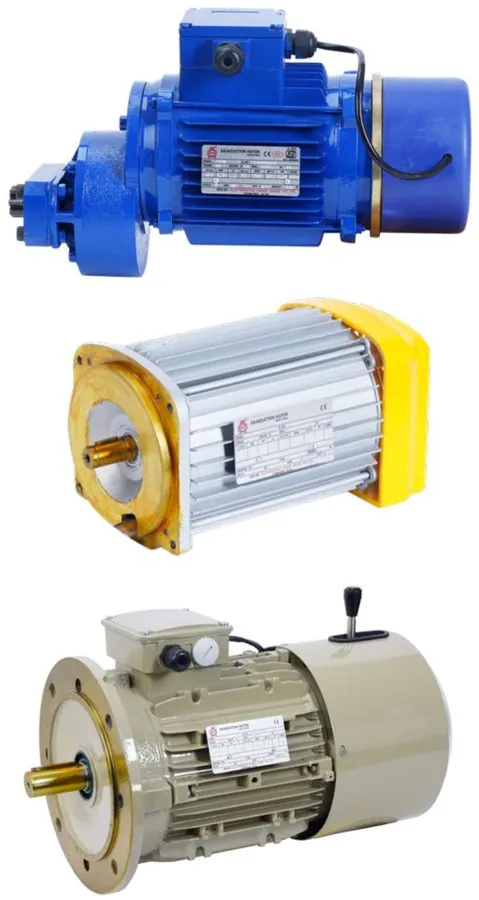
A 5-tonne hoist: sizing the motor, the brake and its heat
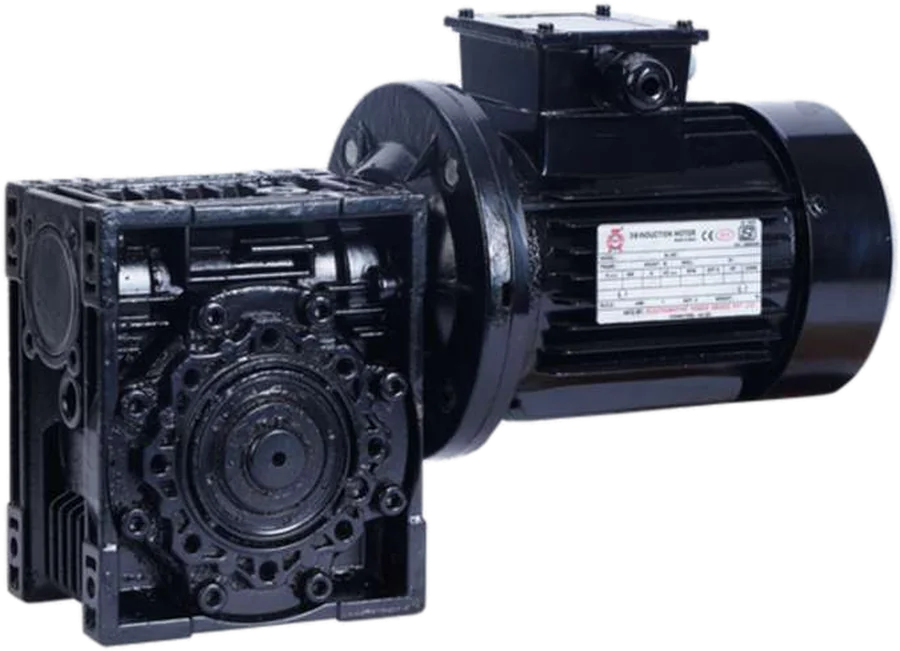
Brake torque is the easy part of a hoist drive. The question that decides brake life is how much energy the brake must absorb on every stop, at 240 stops an hour.
A 460 V conveyor drive: 10 HP that can carry 12.5 HP
A North American conveyor needs 9 HP continuously with peaks to 11.5 HP. Choosing the motor means reading nameplate HP, service factor, starting torque and the overload setting together.
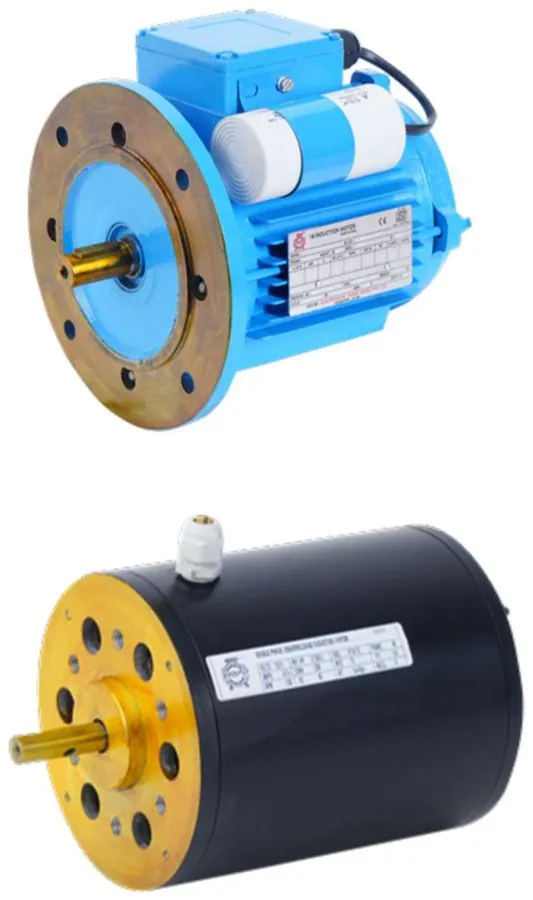
Forty pump motors, IE2 to IE3: where the savings really come from
Replacing IE2 pump motors with IE3 looks like simple arithmetic. On centrifugal pumps, the faster IE3 motor quietly raises the pump load and can cancel the saving. Here is the full calculation.
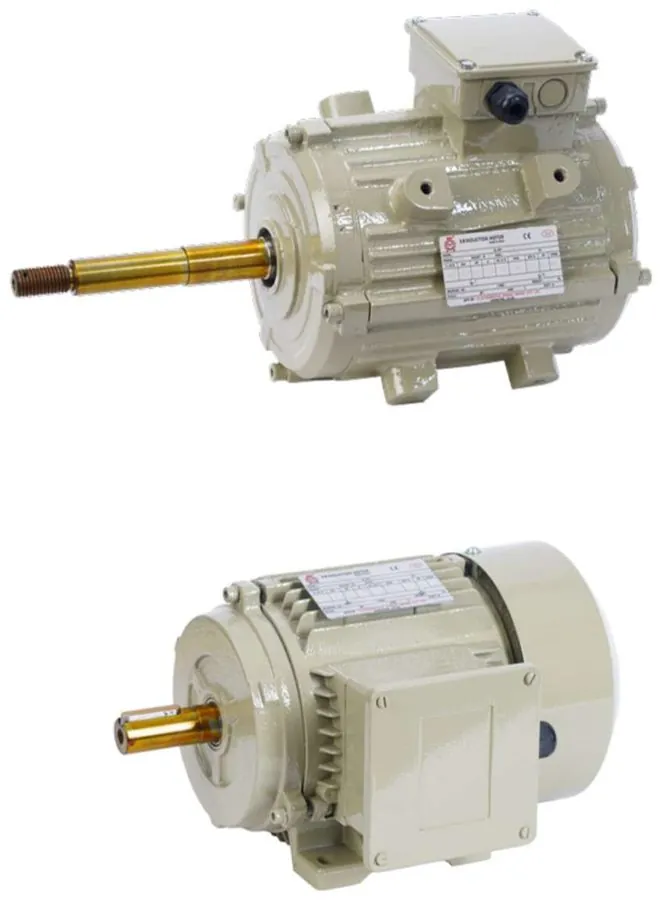
Starting a heavy fan: 3.7 seconds, not 14
A large fan has little load torque at low speed but a great deal of inertia. The starting time decides whether the motor survives the start, and the starting method changes it four-fold.
Star-delta or direct on line? It depends on the load
Star-delta starting cuts the starting current to a third. It also cuts the starting torque to a third, which a pump can live with and a loaded conveyor cannot.
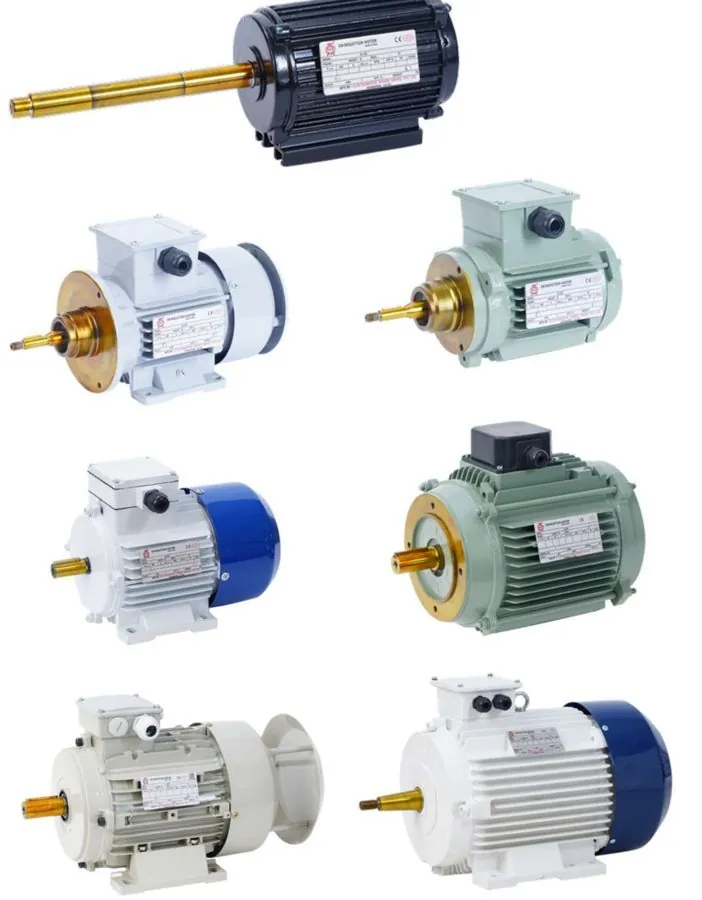
Constant torque at low speed on an inverter
A self-ventilated motor cools less as it slows. Running full torque down to 10 Hz needs a different cooling method, not simply a bigger motor.
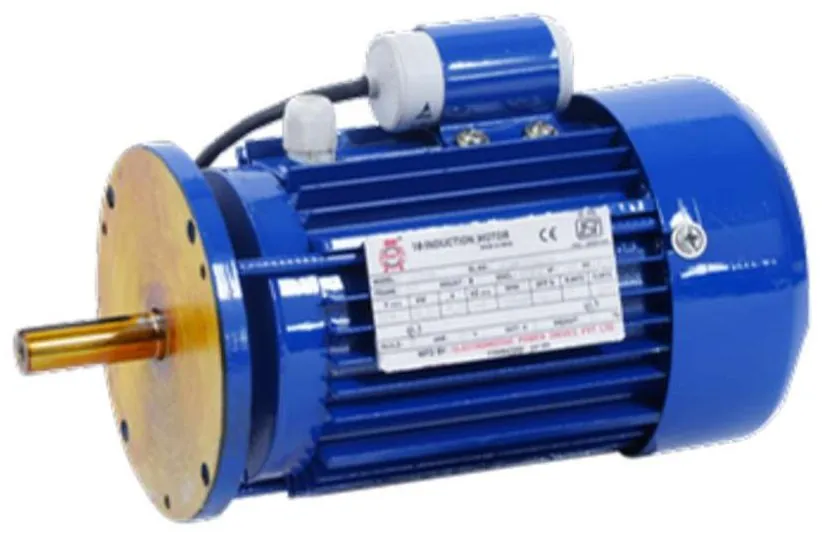
A single-phase compressor that has to start under pressure
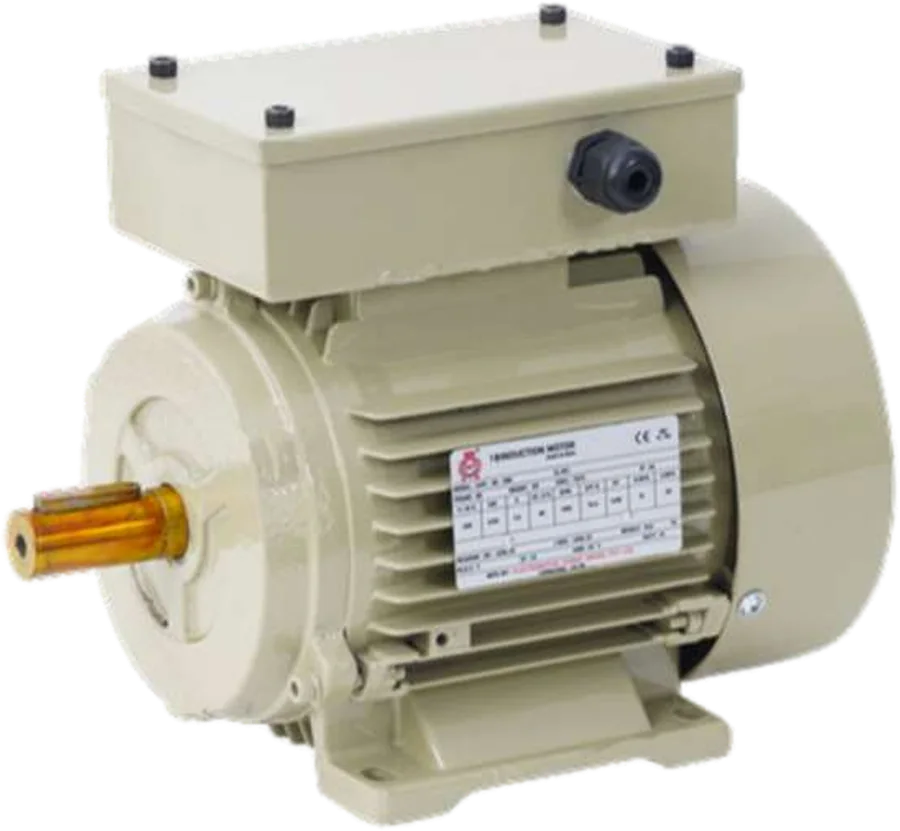
Reciprocating compressors often restart against pressure in the cylinder. The capacitor design, not the kW rating, decides whether the motor turns.
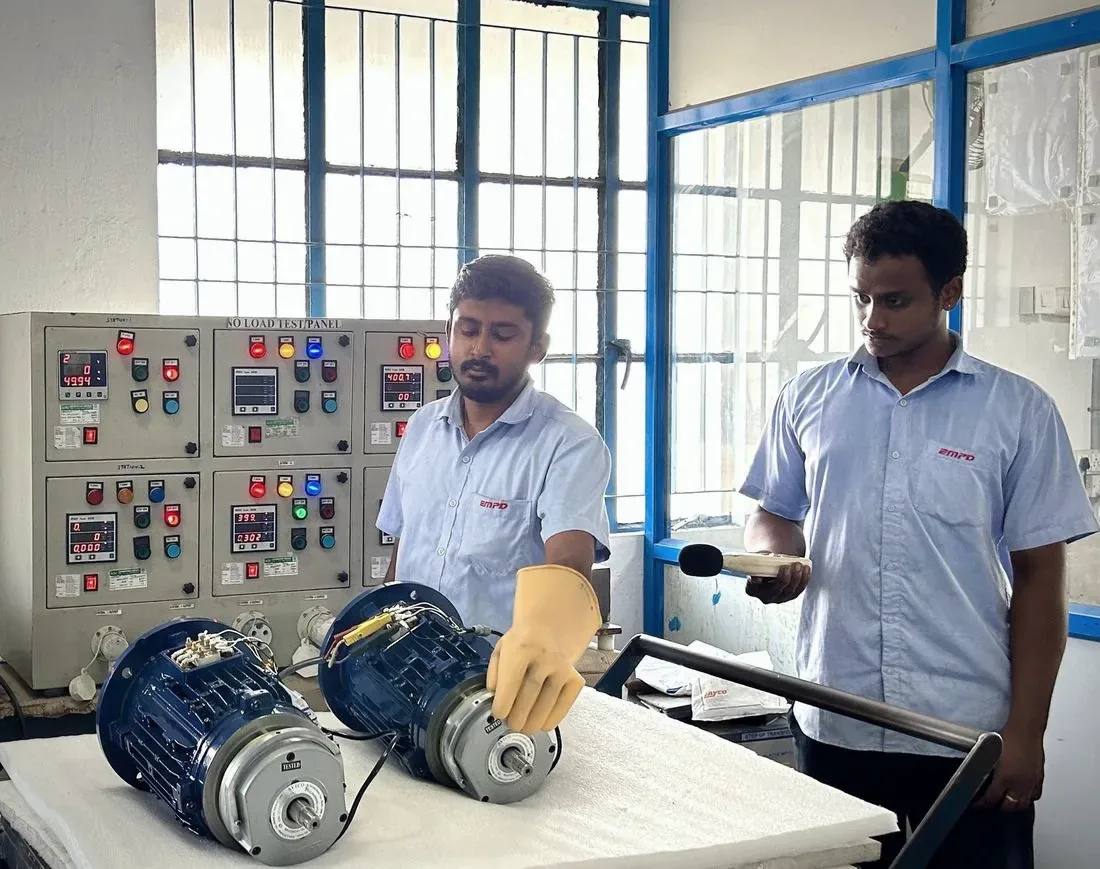
High and hot: derating for altitude and ambient
Ratings assume 1,000 m and 40 °C. At a 2,500 m site in 45 °C heat, thinner air and hotter surroundings both cut cooling, and the two effects multiply.
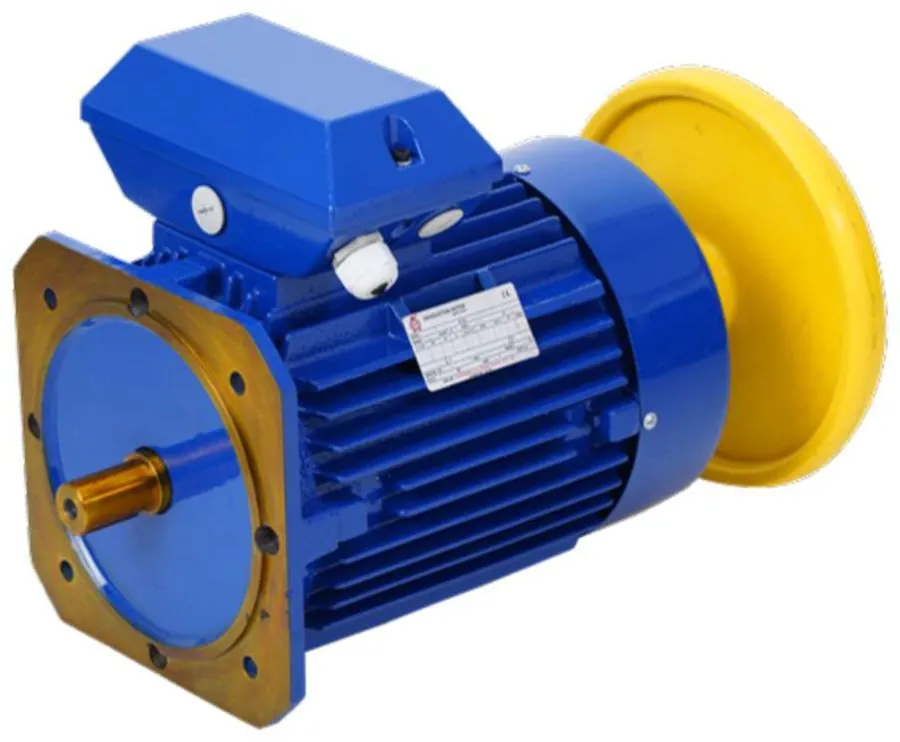
Running a brake motor on an inverter
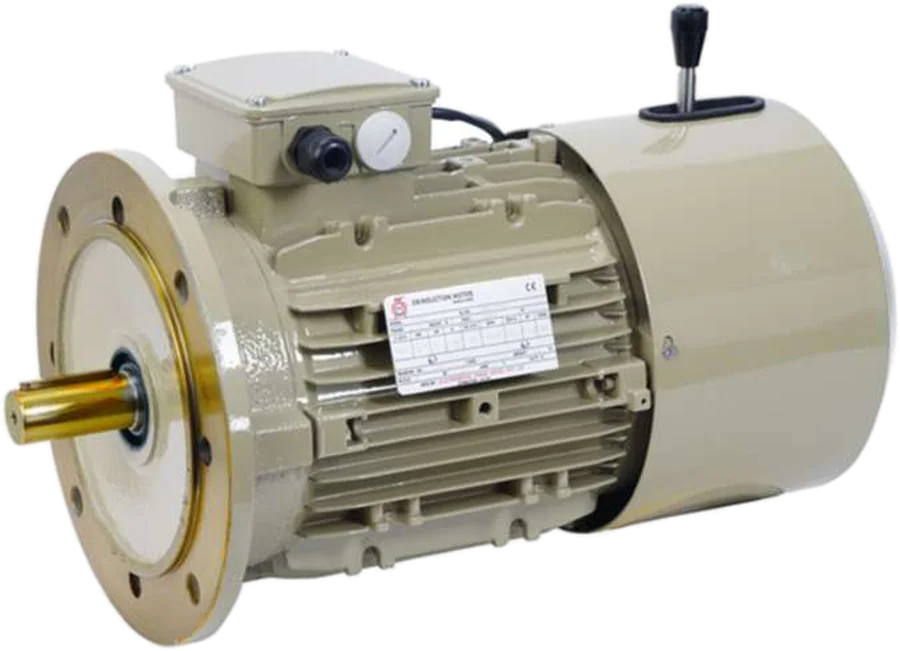
On an inverter, the drive does the stopping and the brake does the holding. Getting the supply and the timing right keeps both safe and lets the brake last for years.
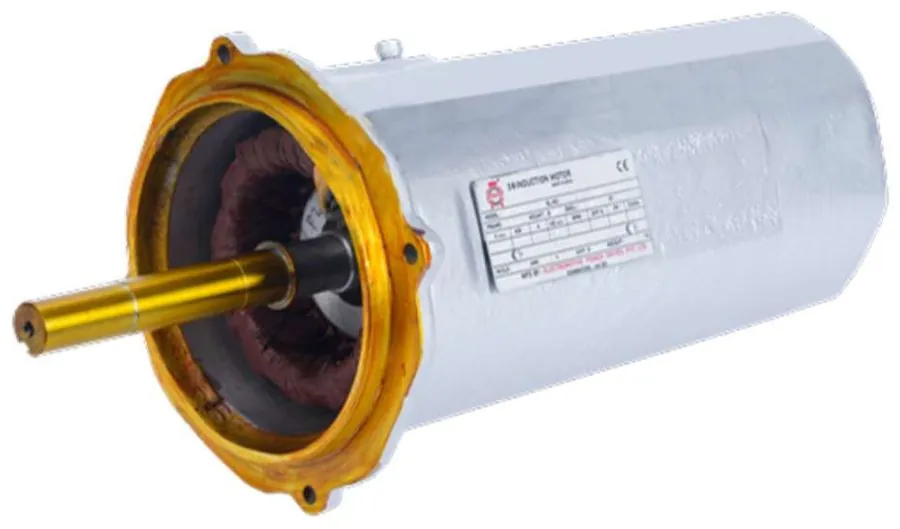
Valve actuator motors: torque to unseat, not power to run
An actuator motor runs for seconds or minutes at a time but must break a seated valve free. Starting torque and short-time duty decide the motor, not continuous kW.
Application studies are engineering examples worked with EMPD catalogue data. Customer case studies are added with each customer's approval.