
The duty
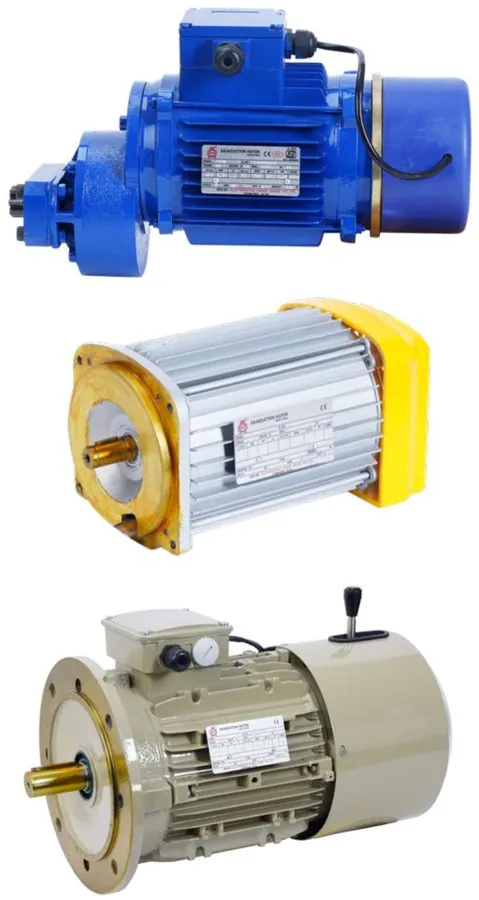
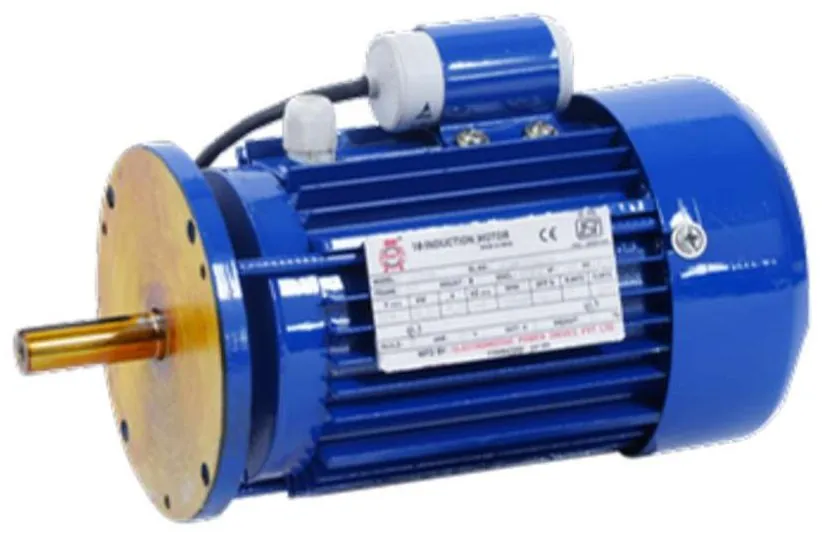
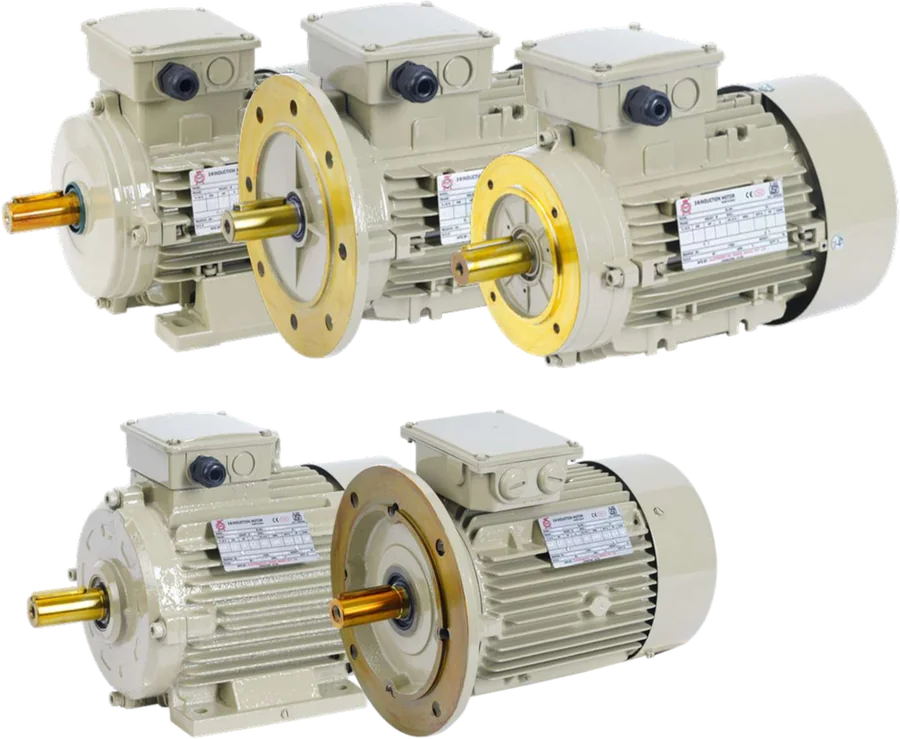
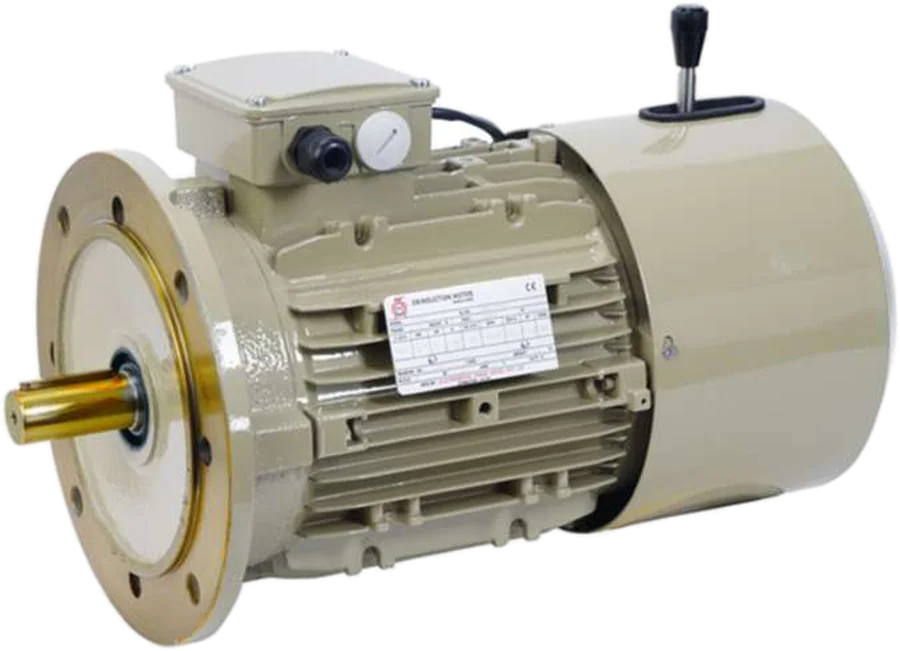
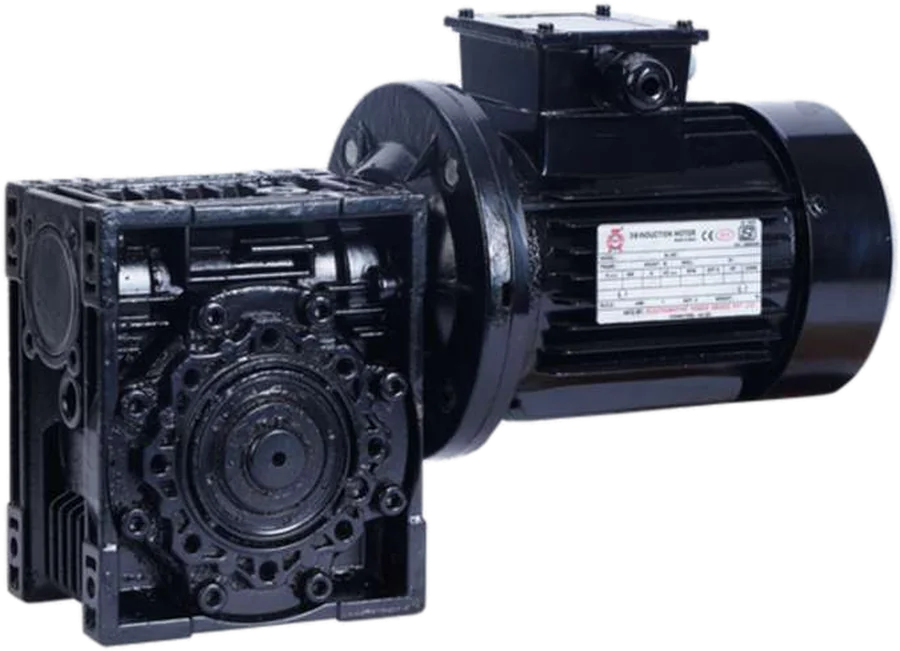
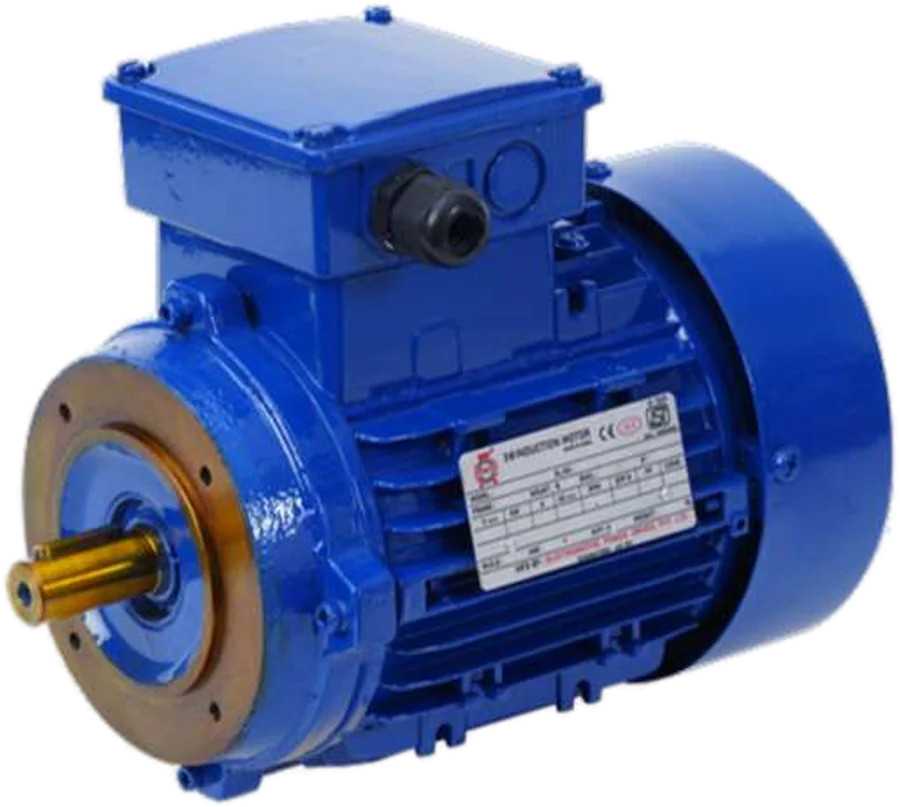
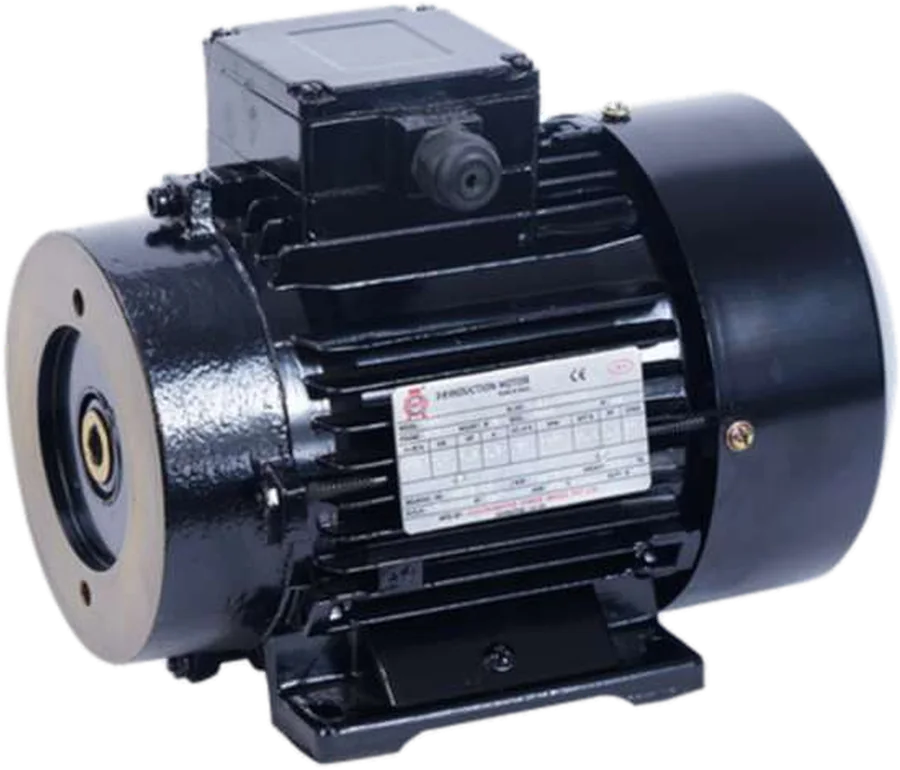
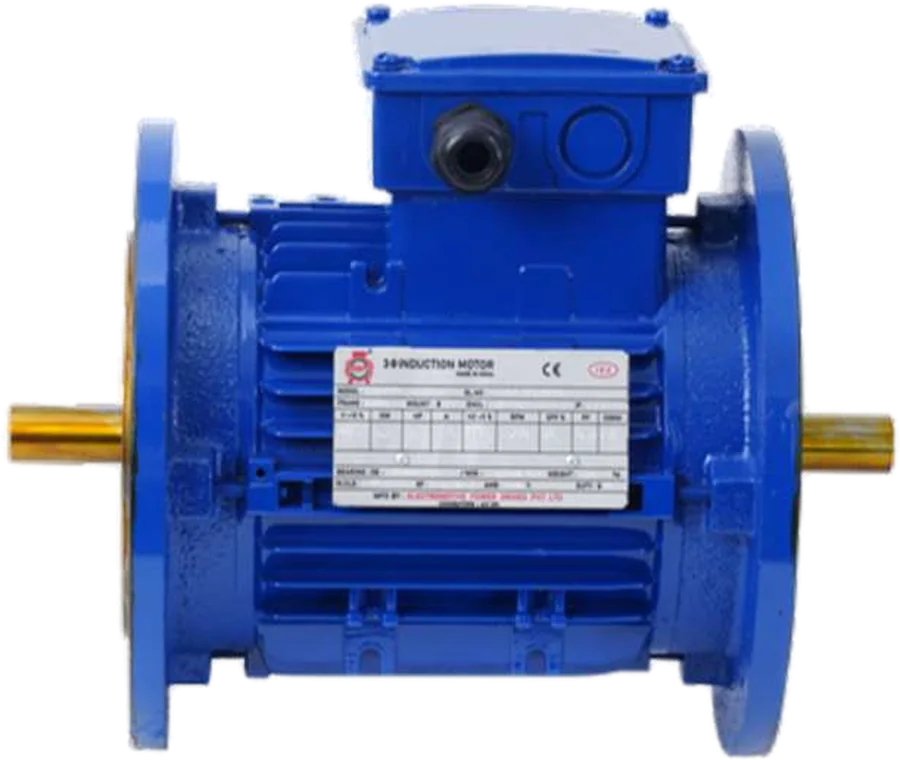
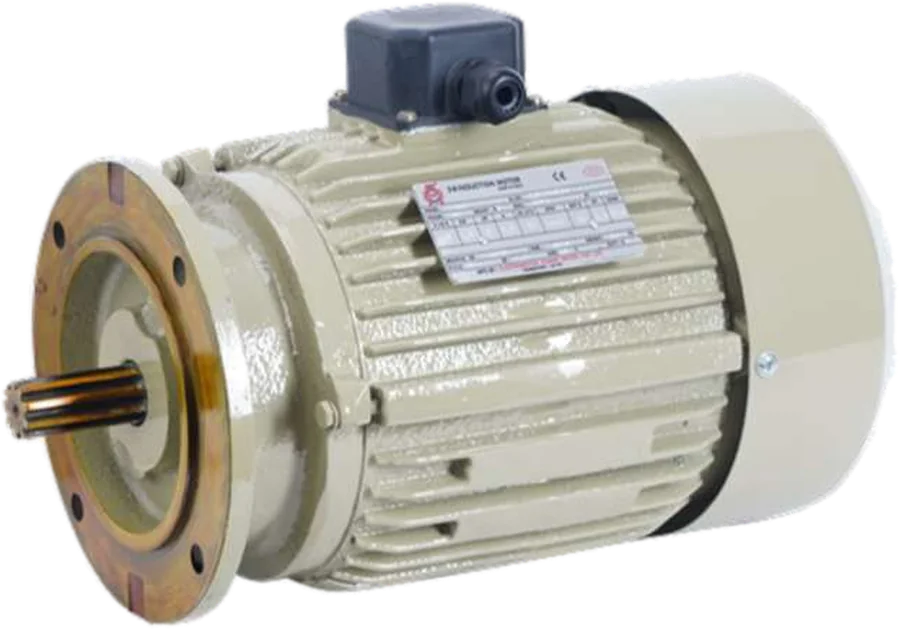
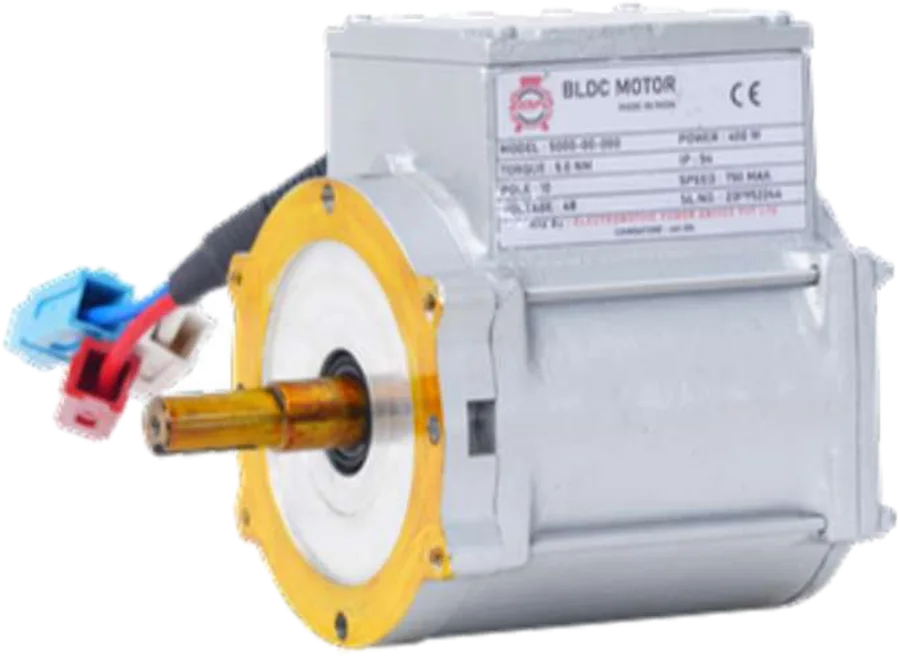
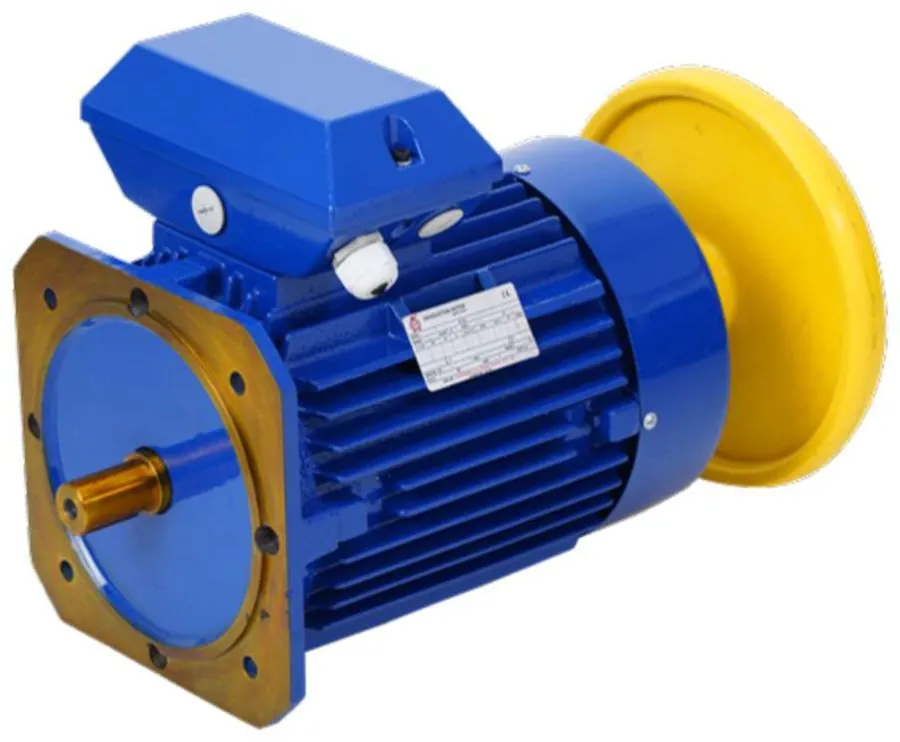
A 1,000 kg hoist at 8 m/min on an inverter, using a 2.2 kW 4-pole brake motor EBM-D100L-4-2.2 with an EBD-13 DC brake at 30 Nm (203 % of motor torque).
1 · Feed the brake separately
The inverter output varies in voltage and frequency; a brake coil fed from it would release unreliably at low speed. Feed the brake rectifier from the mains through its own contactor, switched by the drive's brake-control output.
2 · Get the sequence right
- Start: the drive magnetises the motor and proves torque, then releases the brake and ramps up. Releasing first lets the load drop.
- Stop: the drive decelerates to near zero speed, then the brake engages, and only then is the output switched off. The brake holds; it does not stop the load in normal running.
3 · Size the braking resistor
The inverter's braking resistor must absorb this for the lowering part of the cycle. The mechanical brake is then used mainly for holding and emergency stops, which is why brake wear on inverter hoists is very low.
4 · Emergency stop
On a power failure the brake must stop the load from full speed on its own. Check the energy per stop exactly as in the 5-tonne hoist study.
Application study: an engineering example worked by EMPD with catalogue data. Your application is confirmed by our engineers before quotation. Send us your duty.