

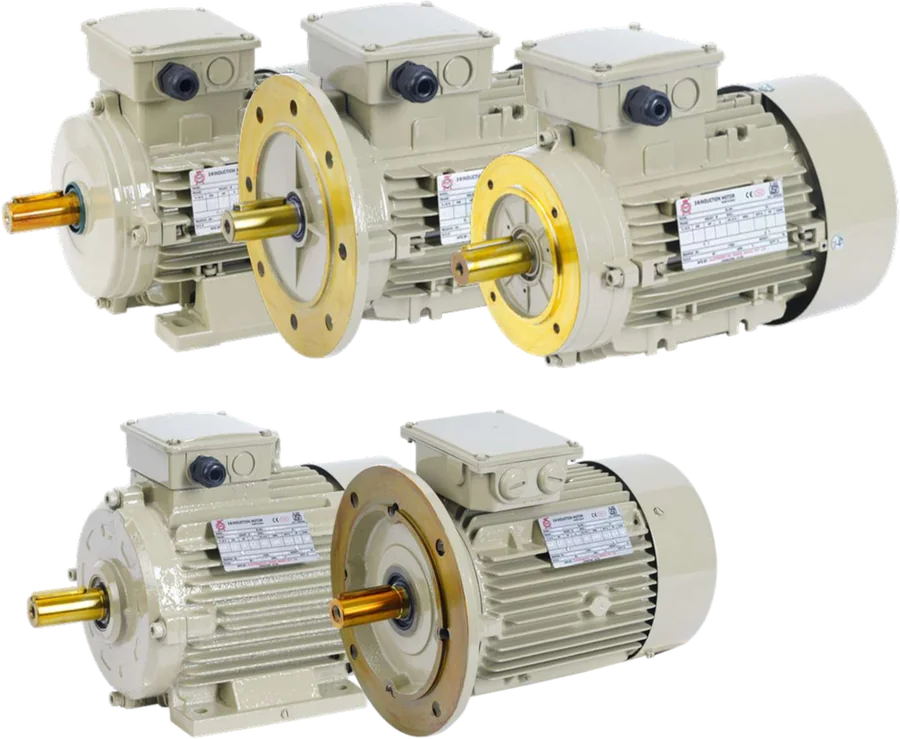
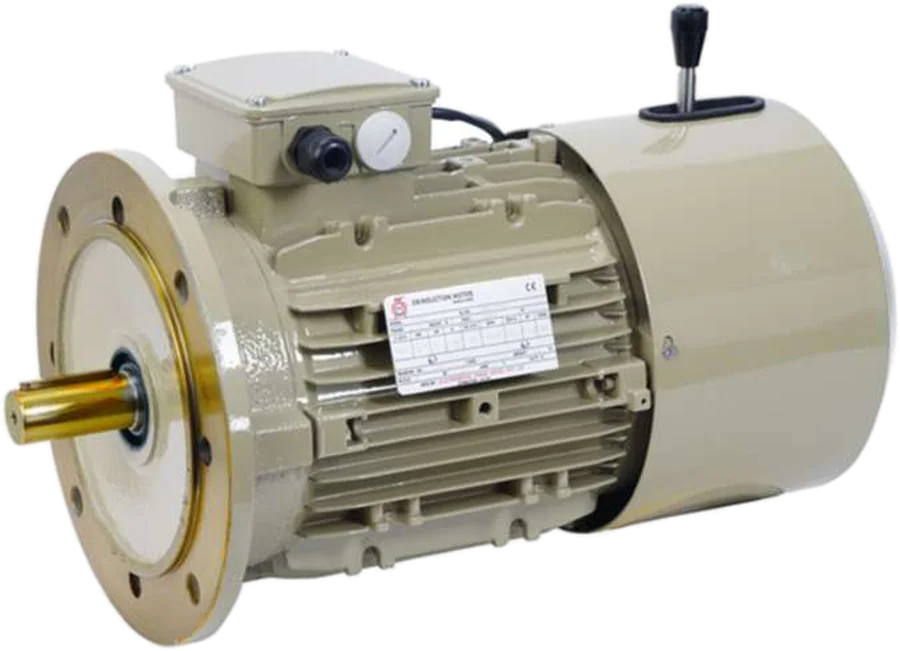
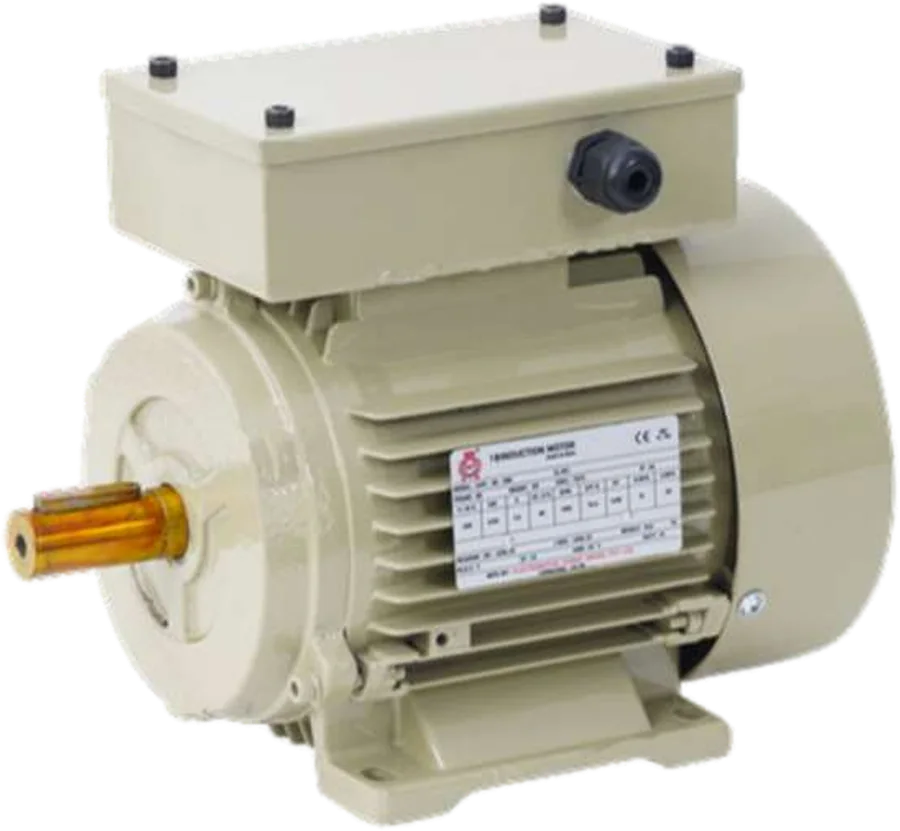
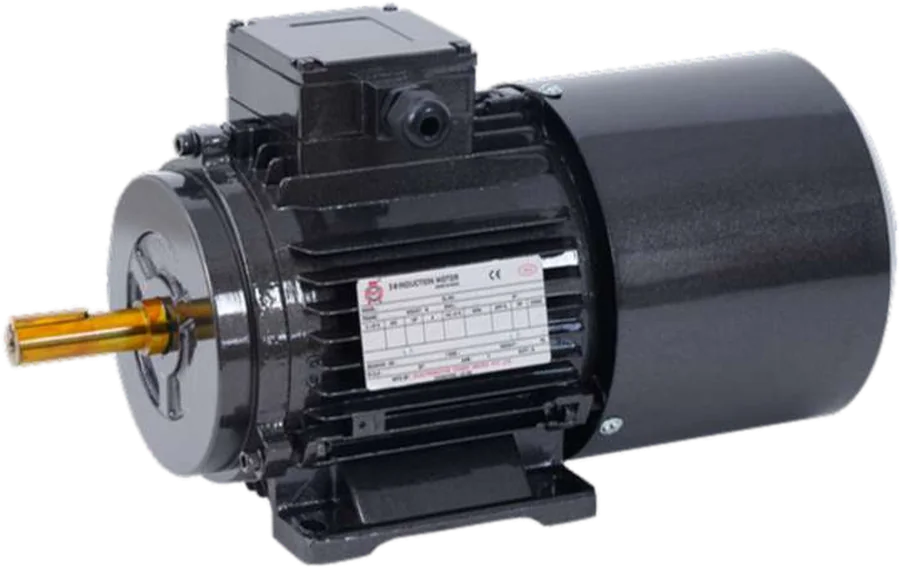
A single-phase supply cannot create a rotating field on its own. Single-phase induction motors use a second, auxiliary winding and a capacitor to shift its current and get the rotor turning. Most faults trace back to that starting circuit.
Hums but does not start
The classic sign of a failed start capacitor or a start switch that does not close. Spinning the shaft by hand makes it run, which confirms the diagnosis. Replace the capacitor with one of the same capacitance (µF) and an equal or higher voltage rating.
Starts slowly, or trips on starting
Check the supply voltage at the motor while it starts: long, thin cables drop voltage, and starting torque falls with the square of voltage. Also check that the load is not too stiff to start, such as a compressor starting against pressure.
Runs hot
A wrong or failed run capacitor, low voltage, or a motor that is simply too small for the load. Measure the running current and compare it with the nameplate.
Runs but the start winding burns
The start circuit is not disconnecting after start-up. On capacitor-start designs the switch or relay must open once the motor is up to speed.
Choosing the right design
Capacitor-start motors give high starting torque for compressors and pumps; capacitor-run designs run quieter and more efficiently. EMPD single-phase motors cover 0.18 to 2.2 kW for 50 and 60 Hz supplies. See single-phase motors or our compressor application study.