

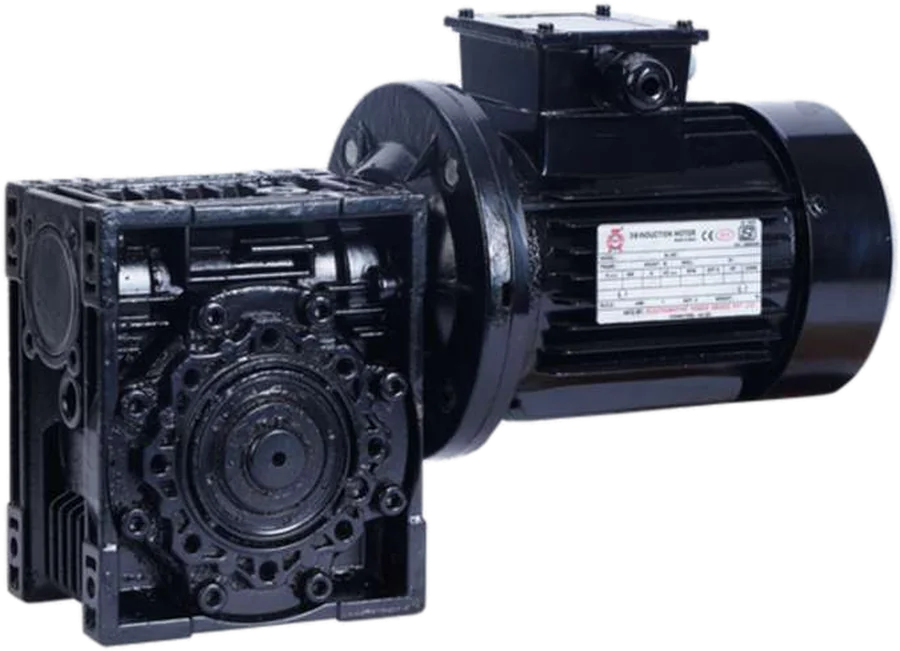
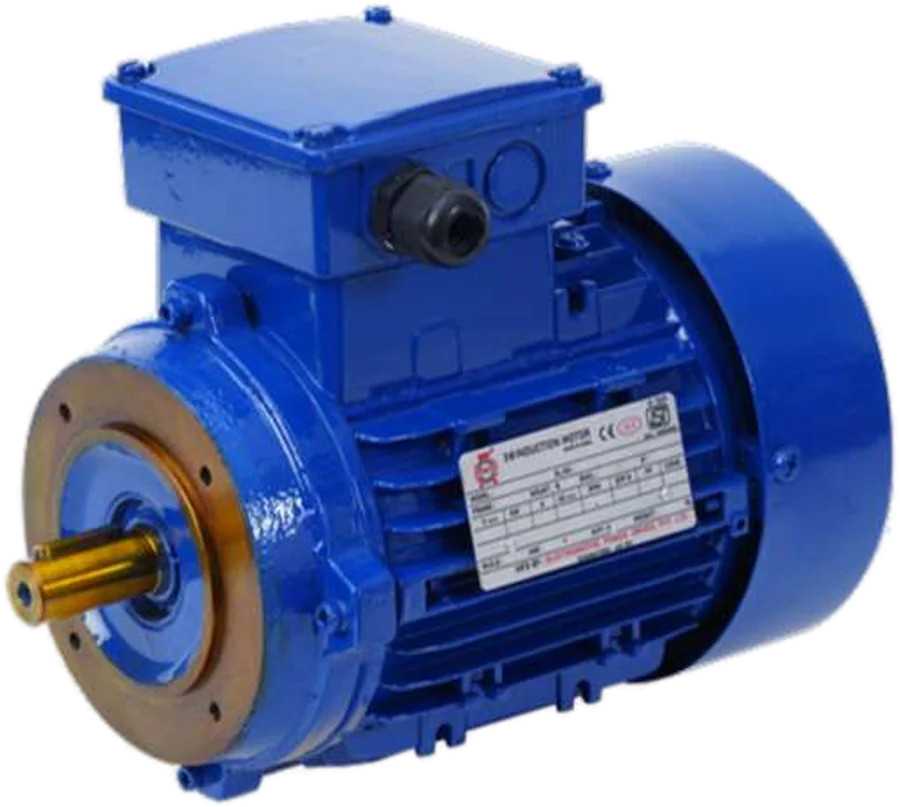
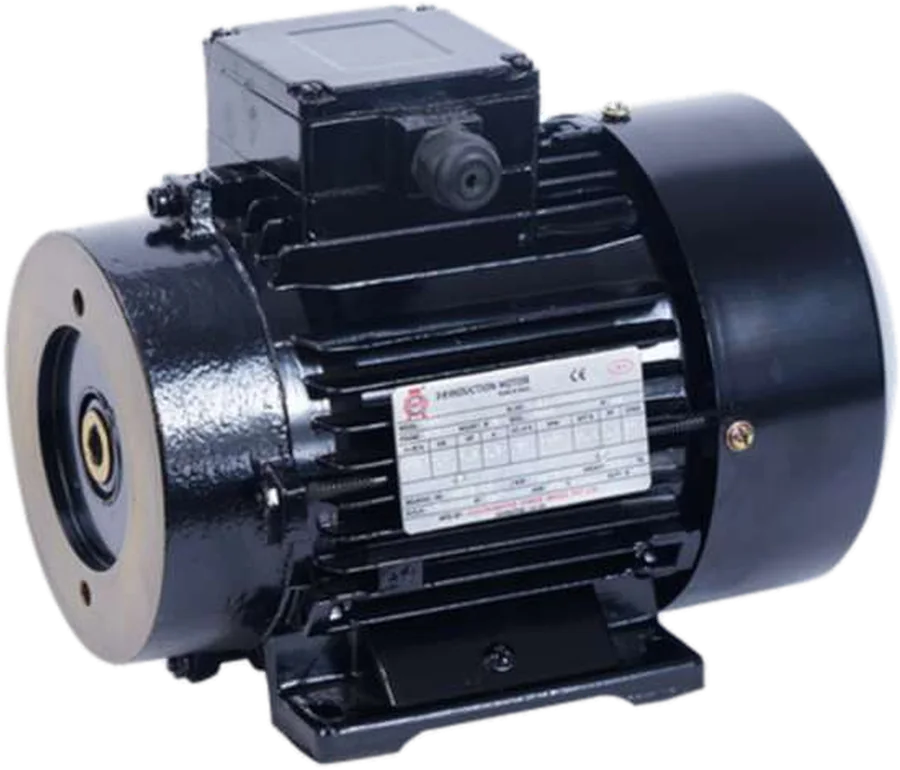
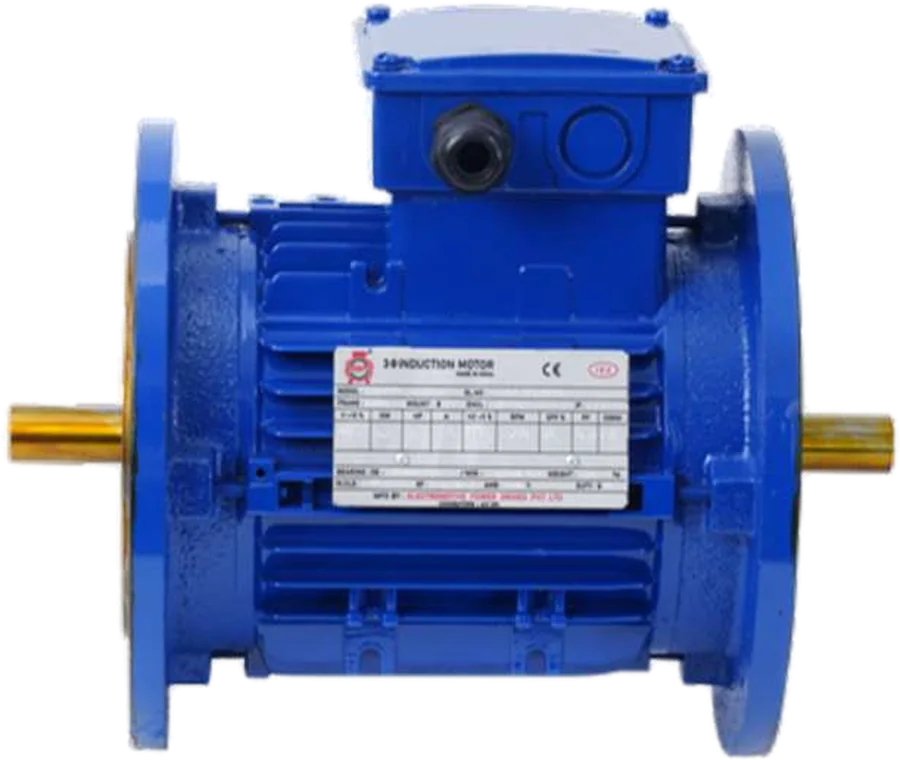
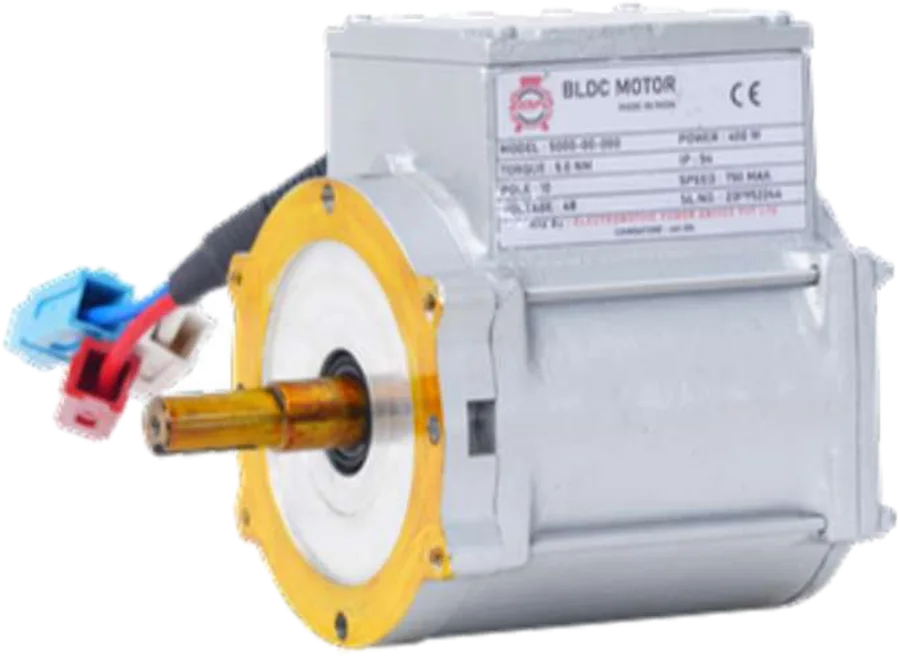

- Output. kW or HP at the shaft. If you only know the load, send the torque and speed and we size it.
- Speed. The poles (2, 4, 6 or 8) or the rpm the machine needs.
- Supply. Voltage, frequency and phases: for example 400 V 50 Hz three-phase, or 460 V 60 Hz for North America.
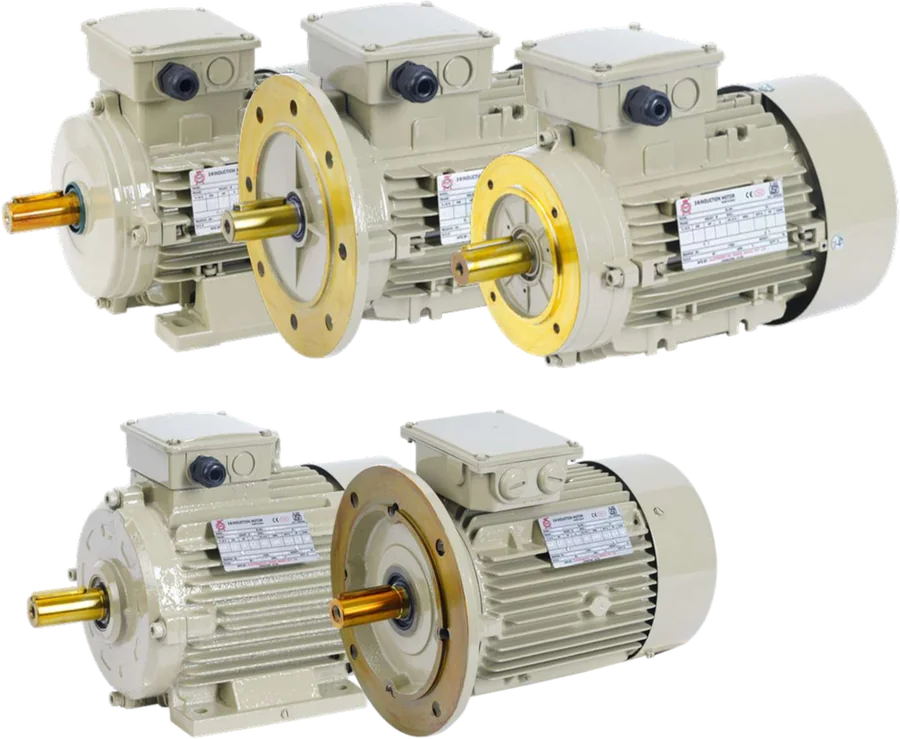
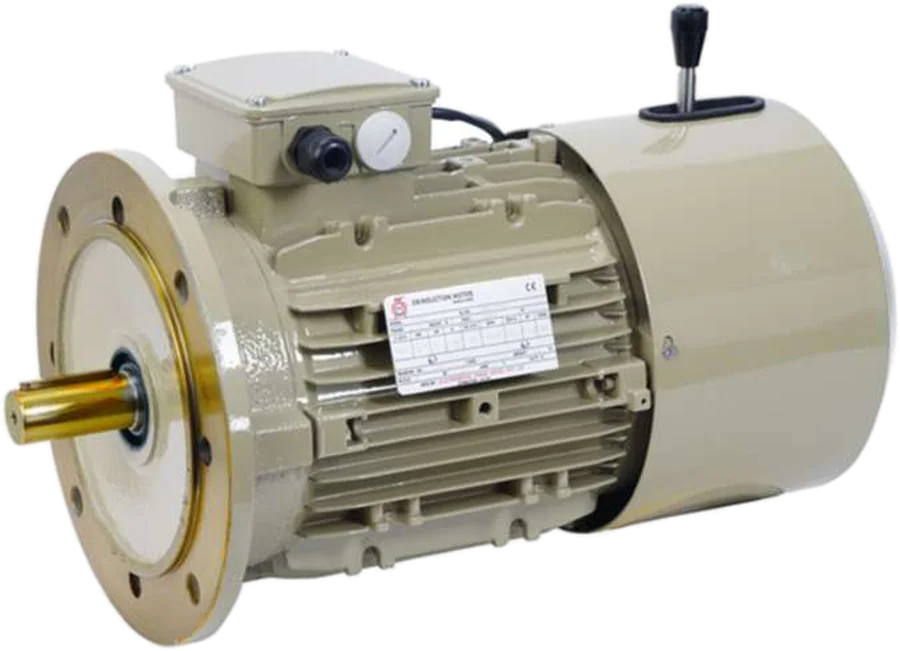
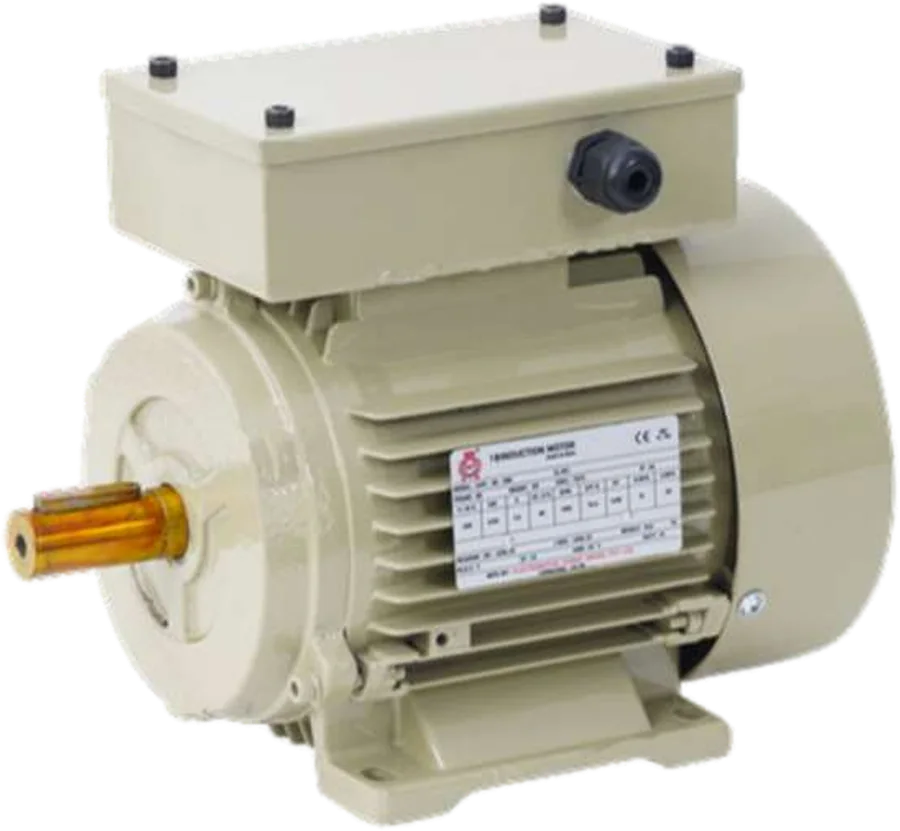
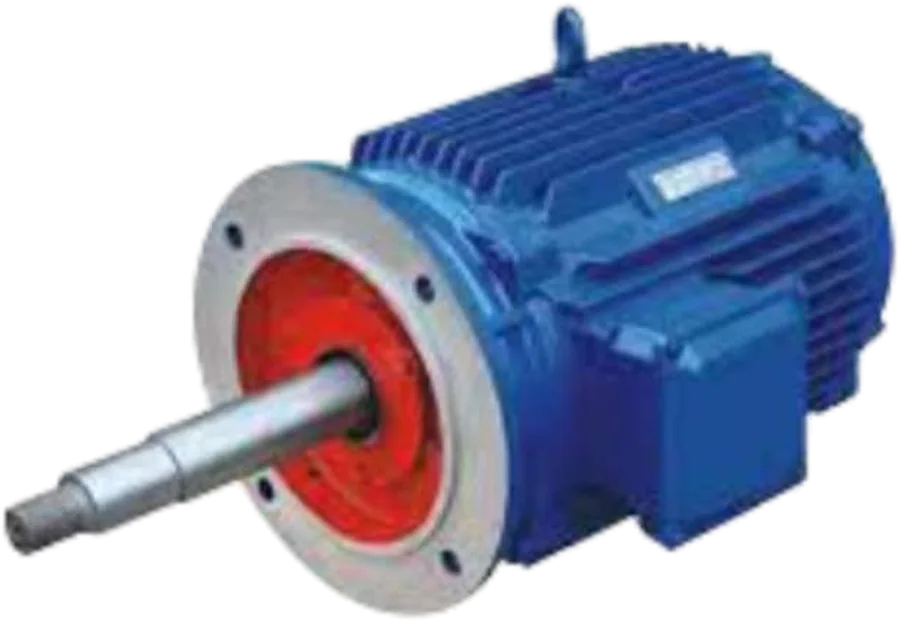
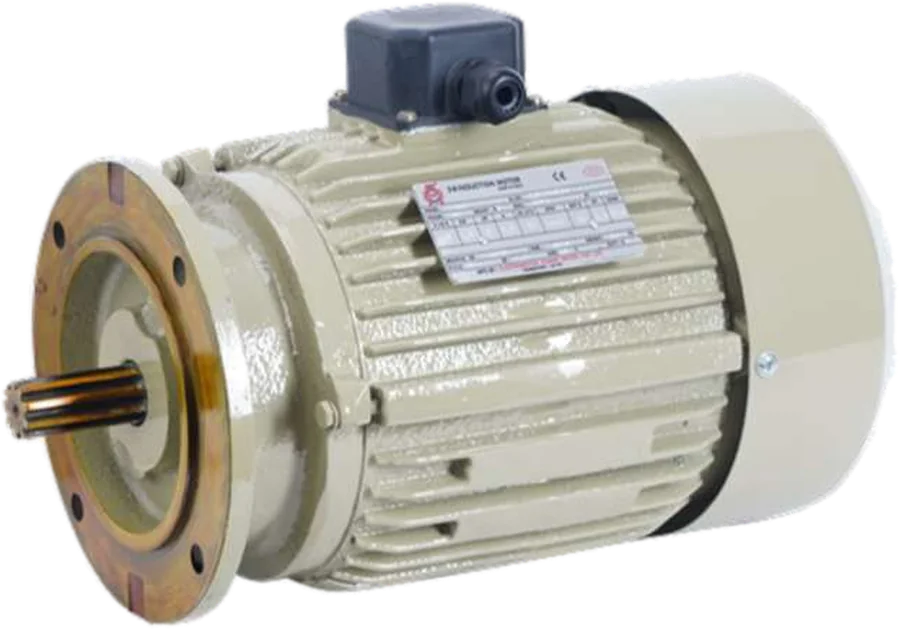
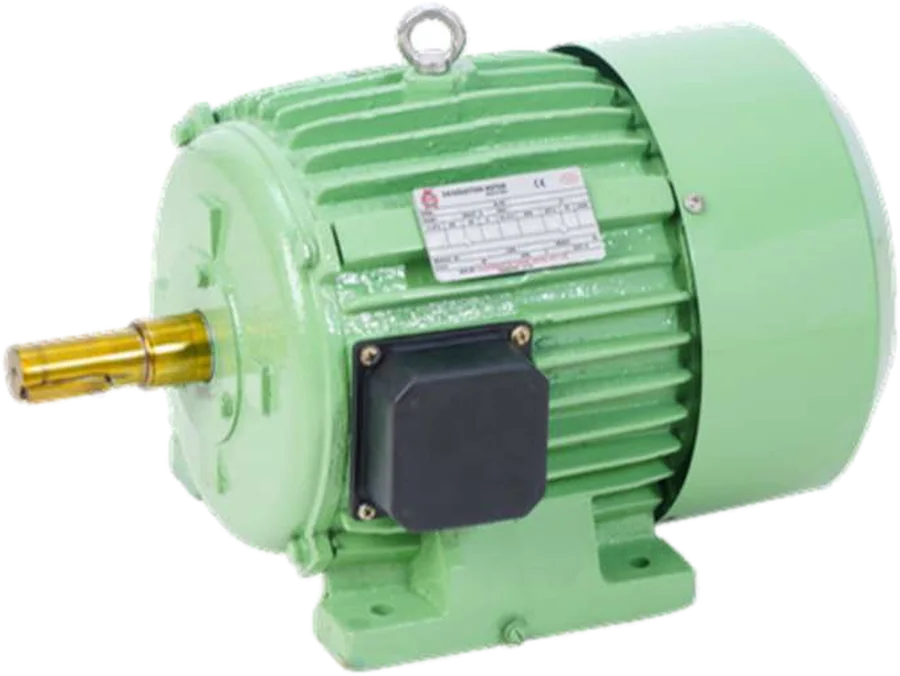
- Mounting. Foot (B3), flange (B5), face (B14) or a combination, and the frame size if you are replacing a motor.
- Duty. Continuous (S1), or the starts per hour for intermittent duty such as hoists (S4).
- Site. Ambient temperature, altitude, dust or water (IP rating), and whether the motor runs on an inverter.
- Quantity and timing. Prototype, first order and annual volume.
Efficiency class
Ask for IE3 unless there is a reason not to. In most markets it is now the legal minimum for continuous-duty motors, and over a motor's life the energy it uses costs far more than the motor. Our efficiency ladder shows the difference for your hours and tariff.
The motor finder lists all 248 EMPD ratings with 50 and 60 Hz data, and the quote form asks for exactly these seven details.