

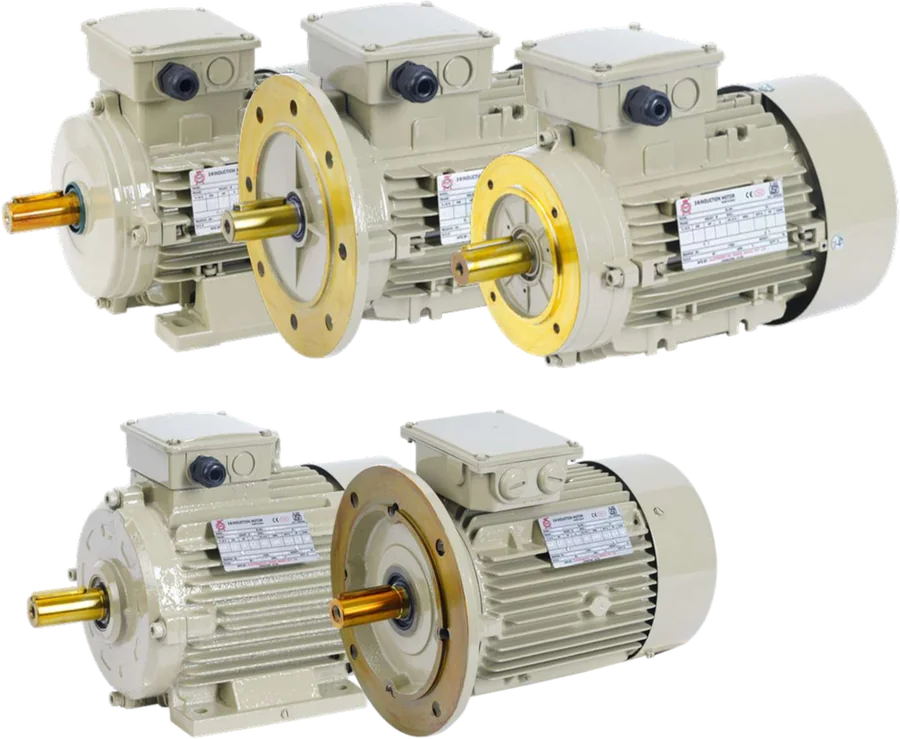
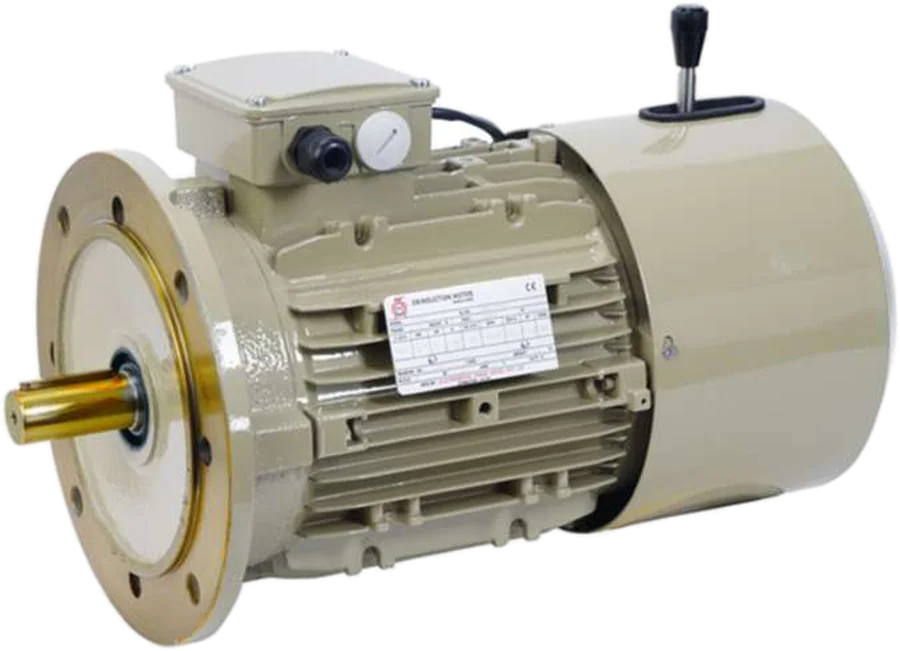
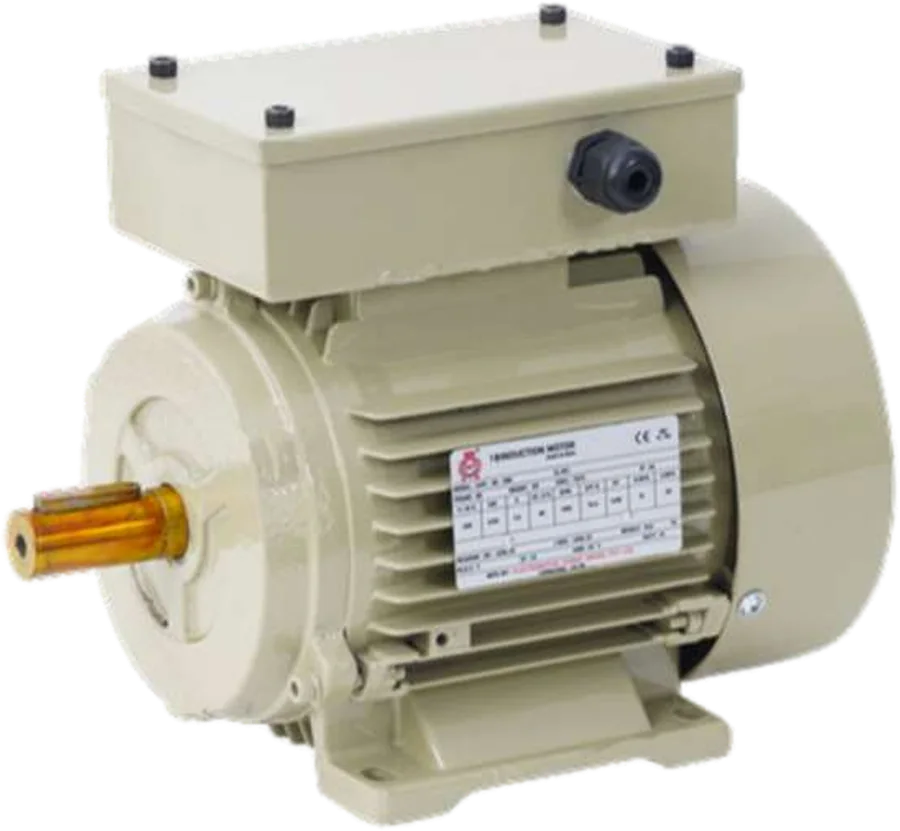
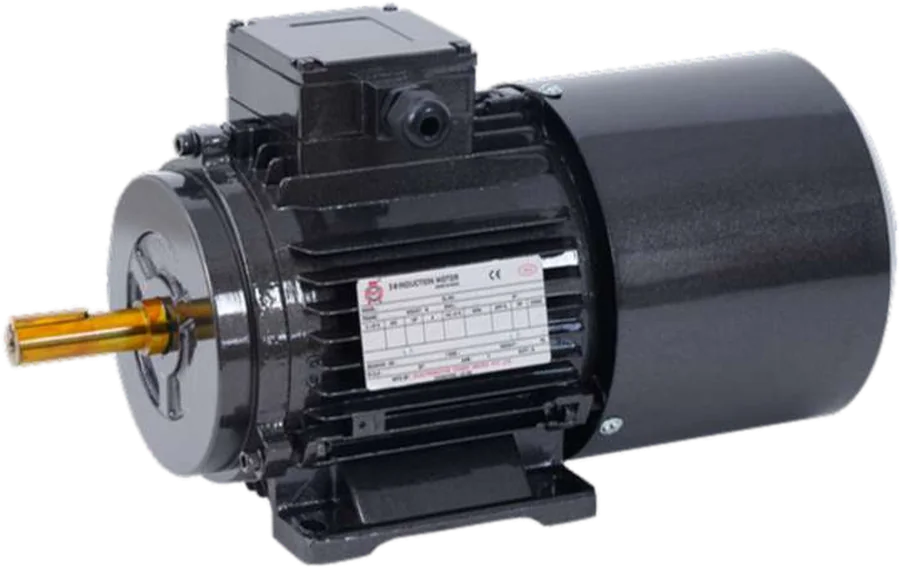
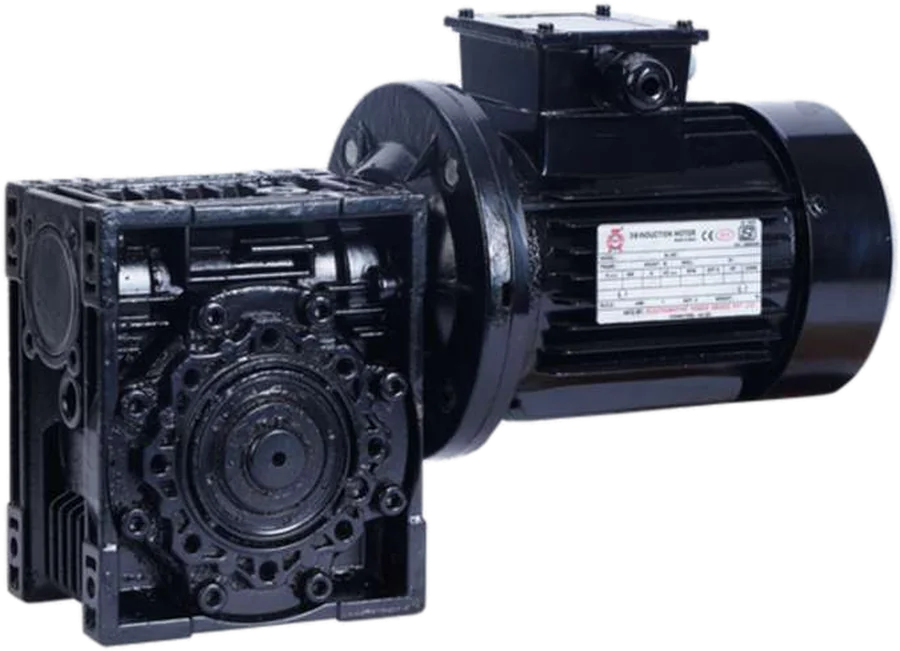
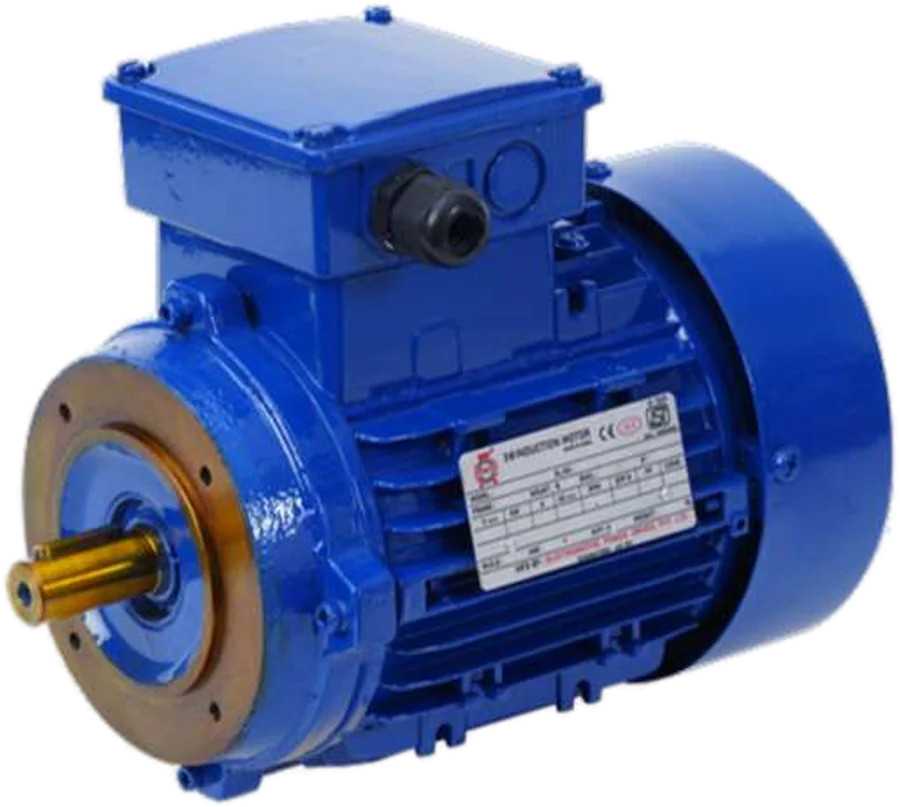
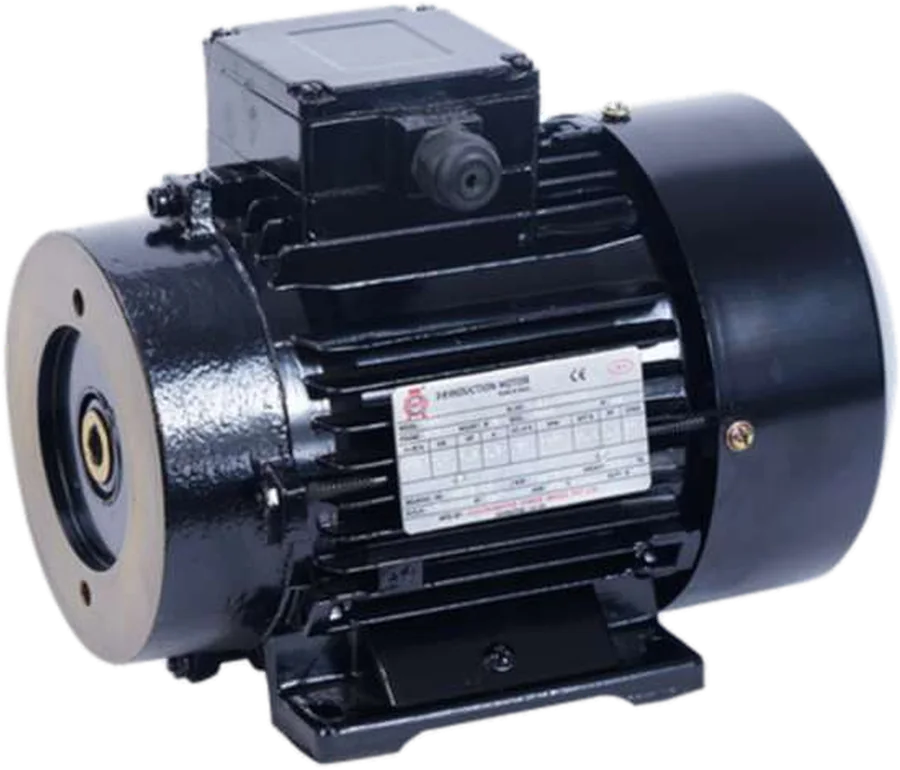
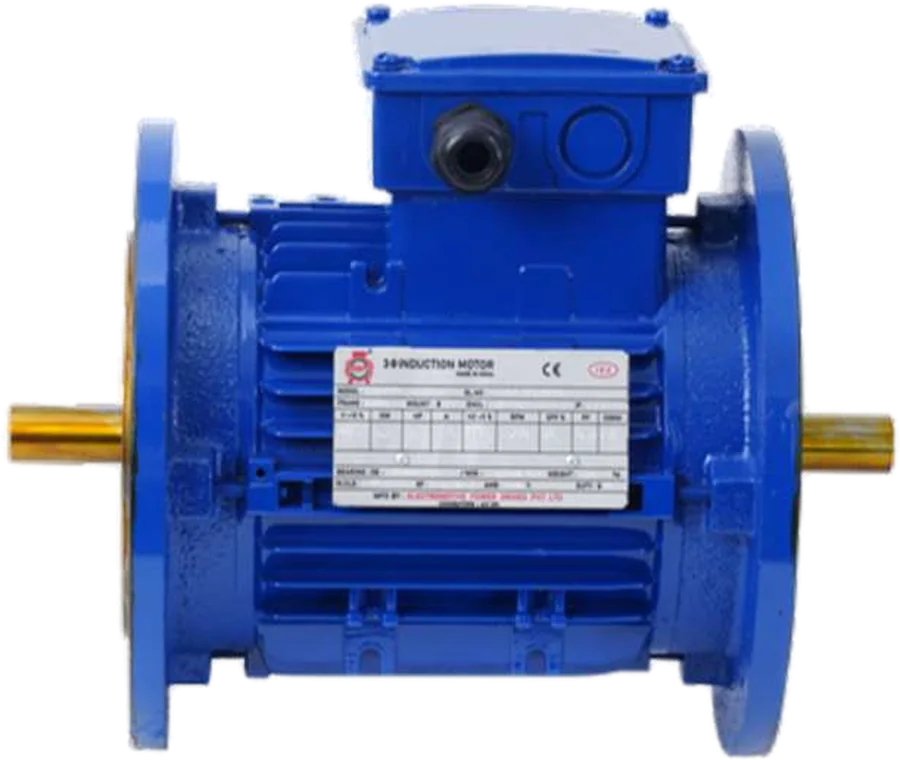
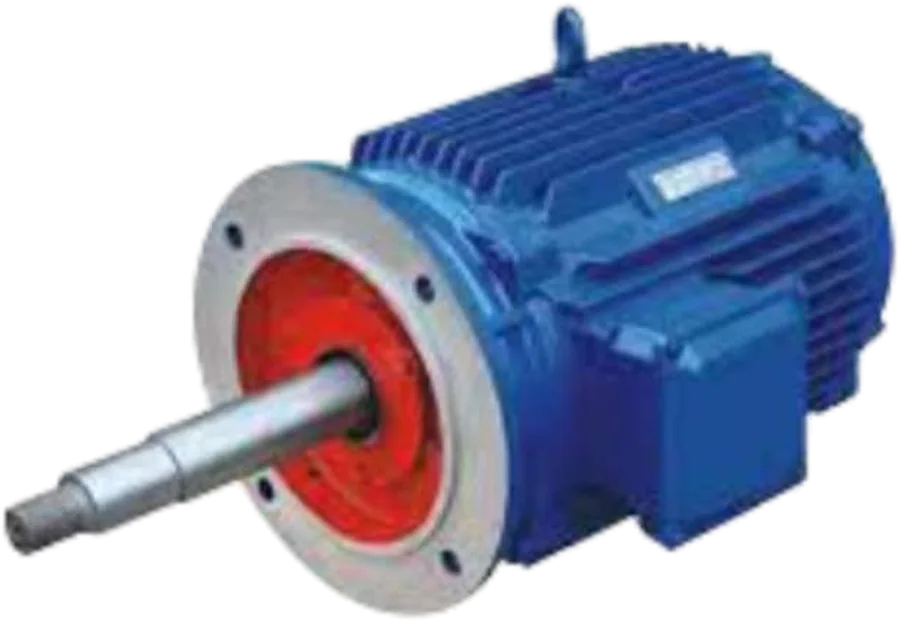
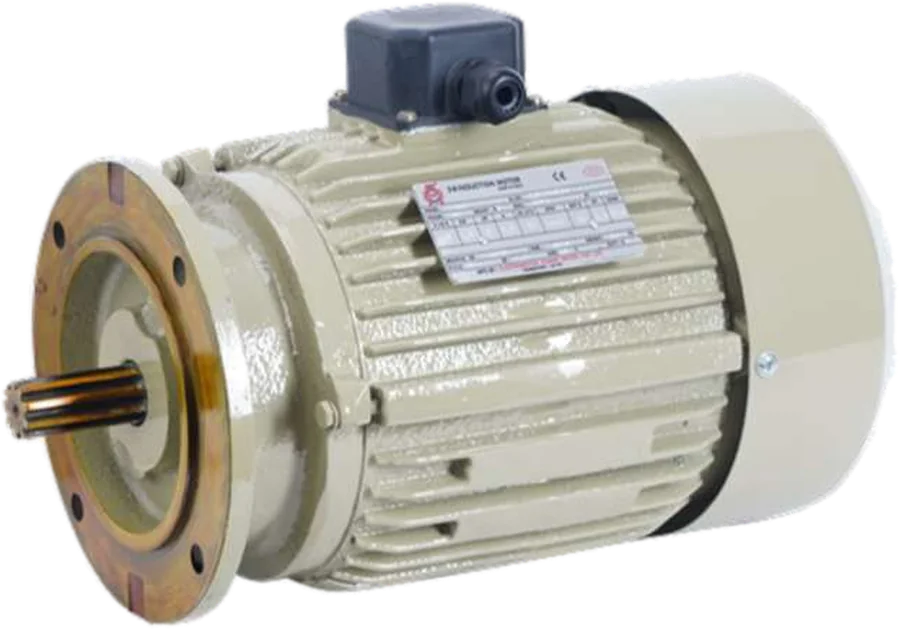
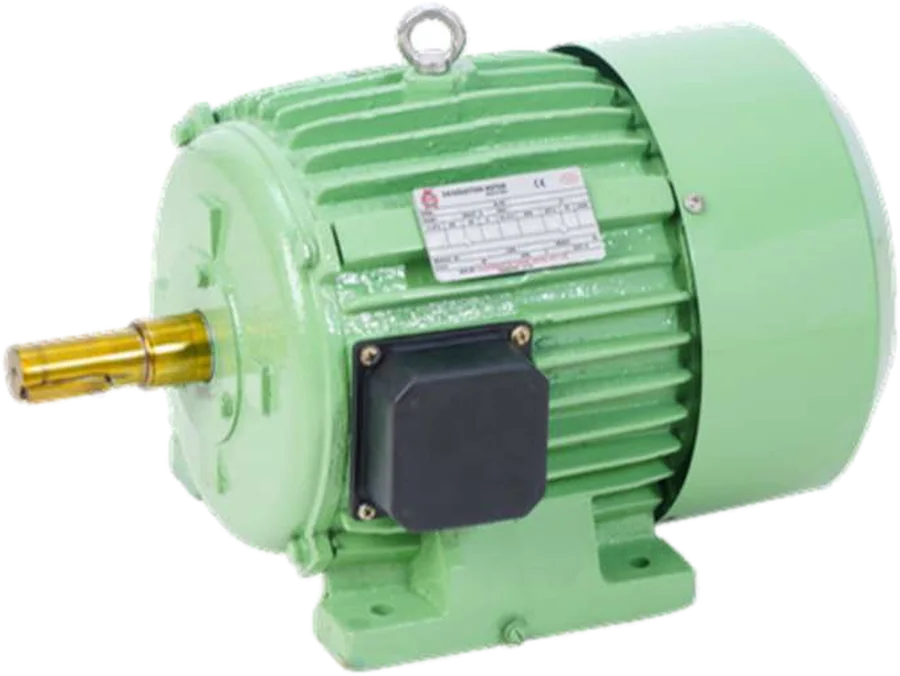
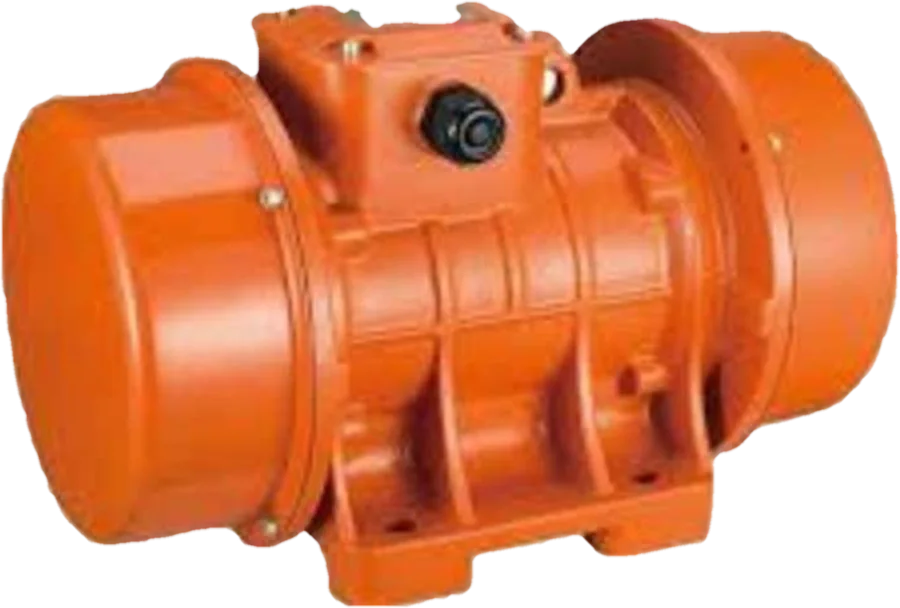
A well-chosen induction motor running within its rating can last for decades. When one fails early, the cause is usually heat, contamination, misalignment or a poor supply rather than the motor itself.
1. Keep it cool
A totally enclosed fan-cooled motor sheds heat through its fins. Dust, lint and paint on the fins, or a blocked fan cowl, raise the winding temperature. As a rule of thumb, every 10 °C above the insulation's rating roughly halves its life. Clean the fins and the cowl intake on a schedule.
2. Trend the insulation resistance
Measure insulation resistance with a 500 V megger at each shutdown and write it down. One reading says little; a falling trend says moisture or contamination is getting in, long before a breakdown.
3. Listen to the bearings
Rising noise or vibration is the first sign of a bearing problem. Sealed bearings are greased for life; regreasable bearings need the right grease, in the right amount: too much grease causes heat, as too little does.
4. Check alignment and belt tension
Misaligned couplings and over-tight belts load the bearings sideways. Re-check alignment after any work on the driven machine.
5. Watch the supply
Low voltage raises current and temperature. Unbalanced phase voltages are worse: a small voltage imbalance causes a much larger current imbalance and extra heat. Keep the voltage at the terminals within the motor's rated tolerance.
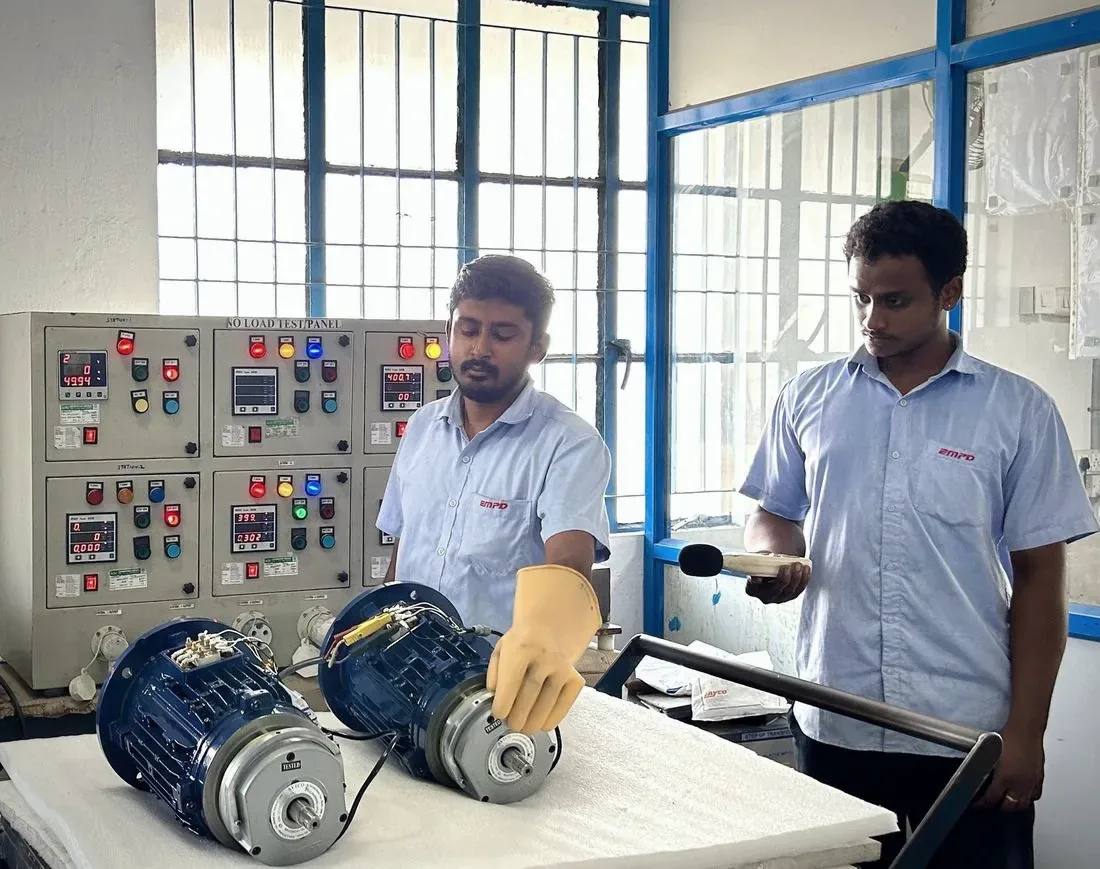
Every EMPD motor leaves the plant with a routine test record, which gives you a baseline for insulation and no-load current. See what is tested in our quality centre.