

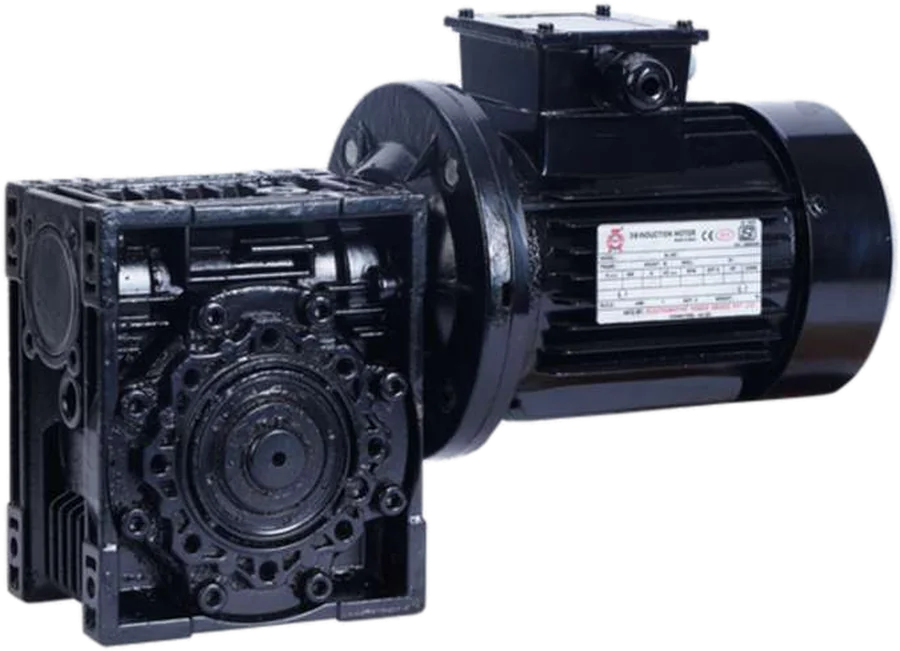
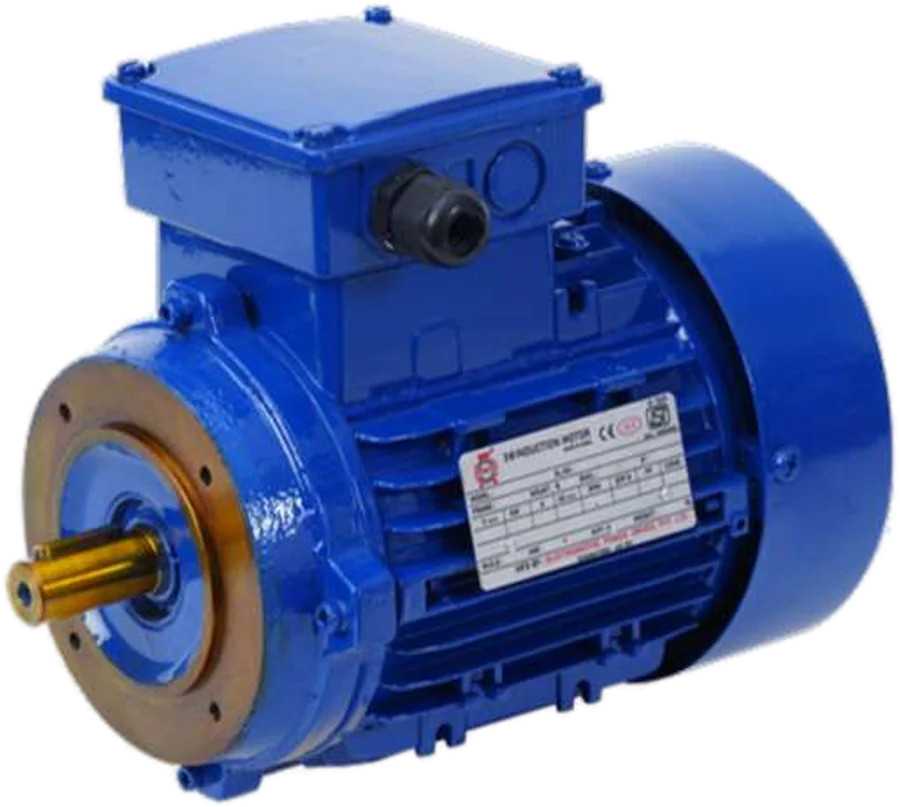
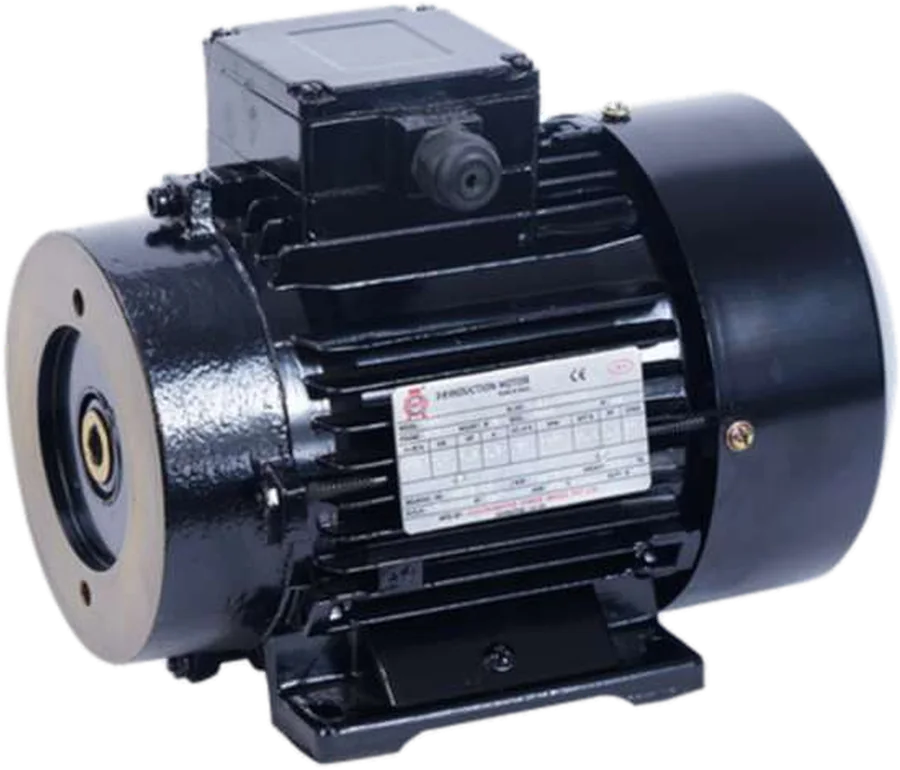
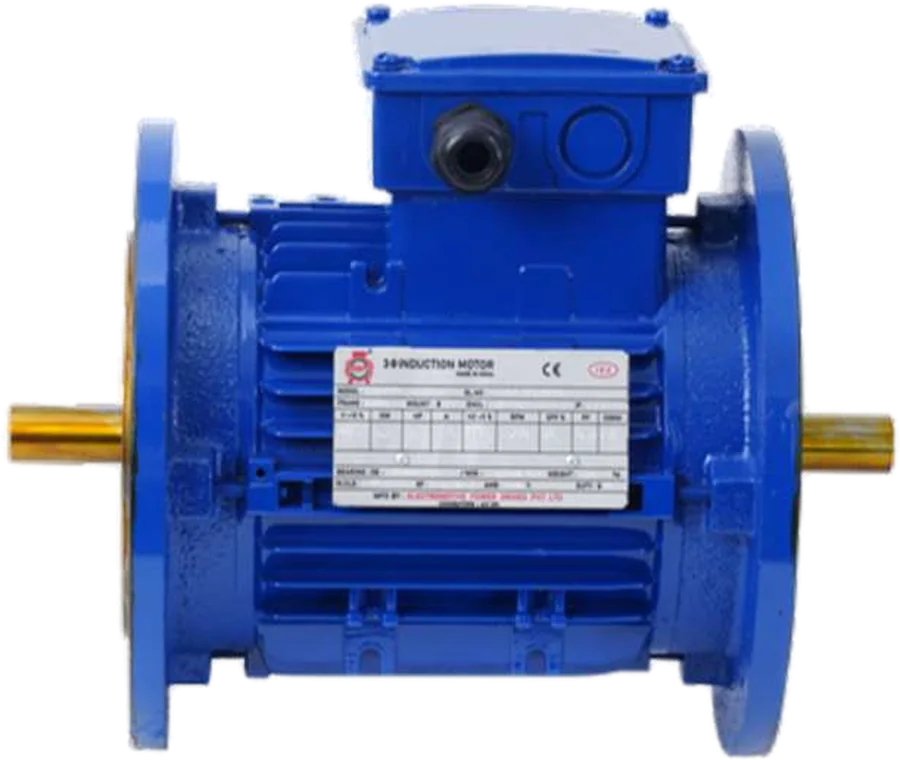
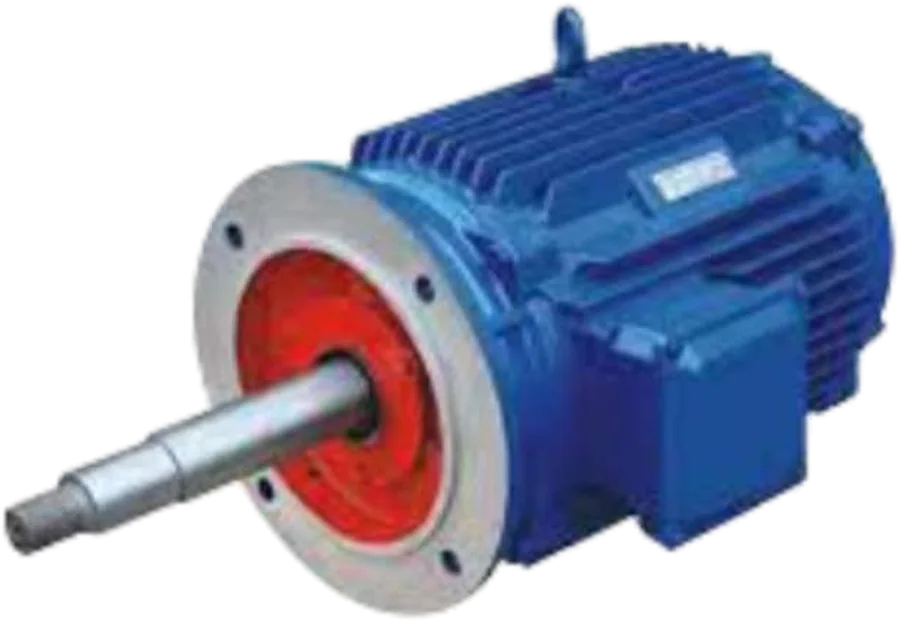
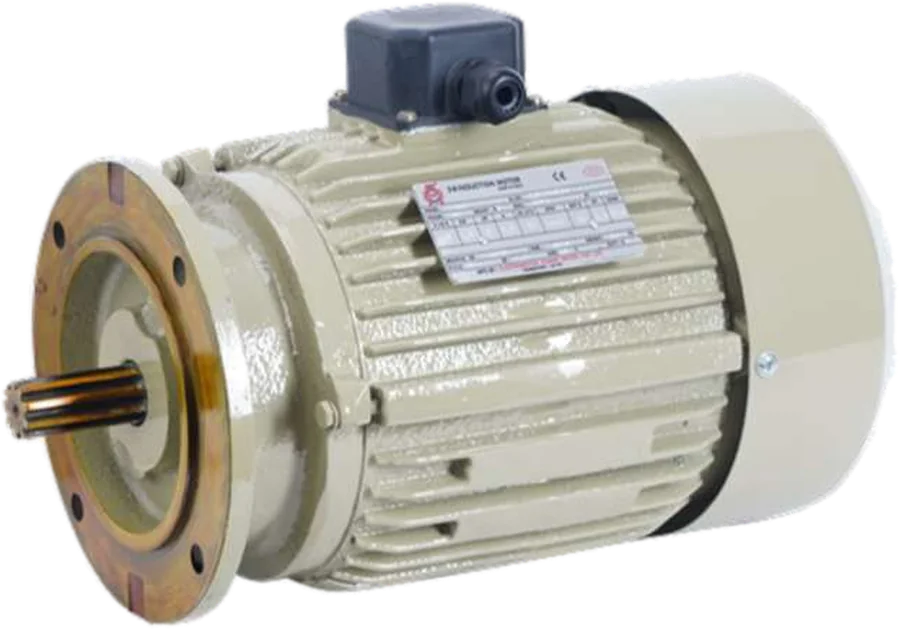
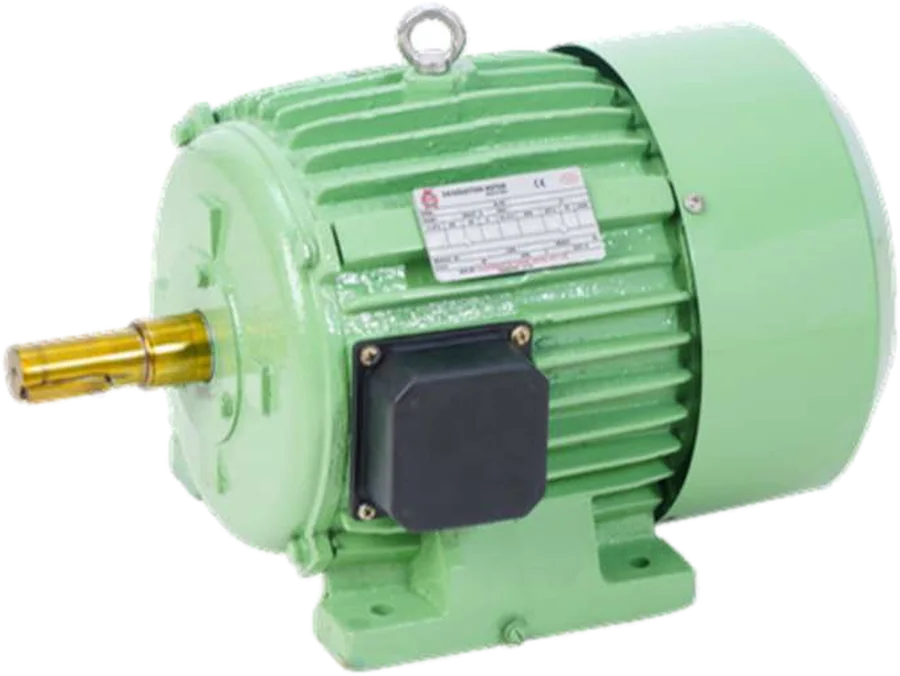
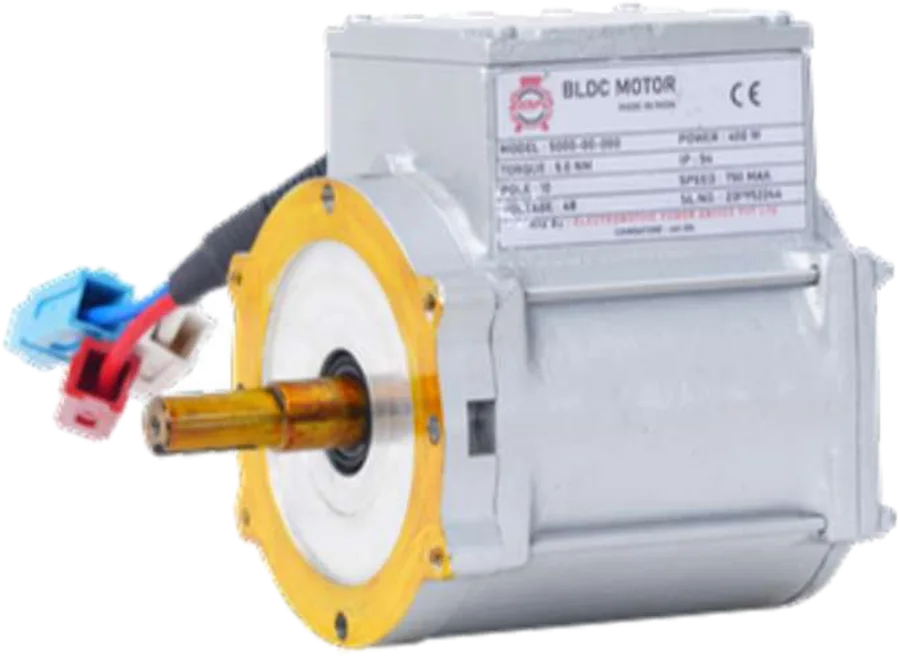
A geared motor combines a motor and a gearbox in one unit. The gearbox reduces speed and multiplies torque in the same ratio, less a small loss.
The basic sum
Output torque (Nm) = 9,550 × motor power (kW) ÷ output speed (rpm) × gearbox efficiency.
For example, 1.5 kW at 1,440 rpm through a 20 : 1 gearbox gives 72 rpm. At 95 % gearbox efficiency the output torque is about 9,550 × 1.5 ÷ 72 × 0.95 ≈ 189 Nm.
Service factor of the gearbox
Gearboxes are rated with a service factor for the duty: hours per day, shock loads and starts per hour. A conveyor running 16 hours a day with moderate shocks needs a larger gearbox than one running 8 hours smoothly, even at the same torque. Tell us the duty and we size both parts.
Gear type and efficiency
Helical and bevel-helical gears are highly efficient. Worm gears are compact and give high ratios in one stage, but lose more energy, especially at high ratios. Over a long running life, a more efficient gearbox can matter as much as the motor's IE class.
See geared motors, or send the output torque and speed through the quote form.