

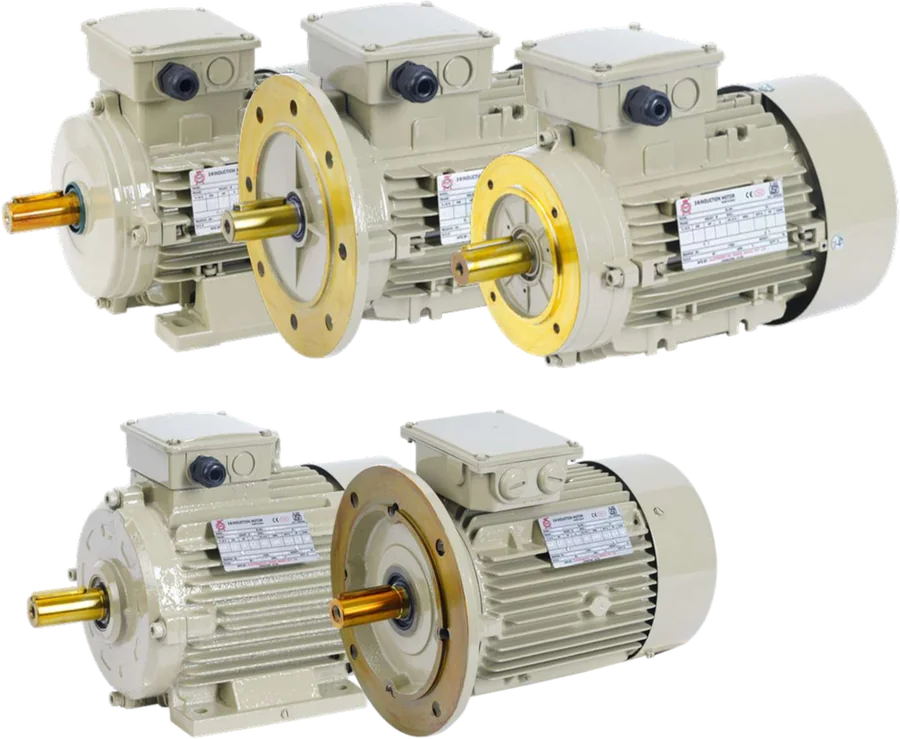
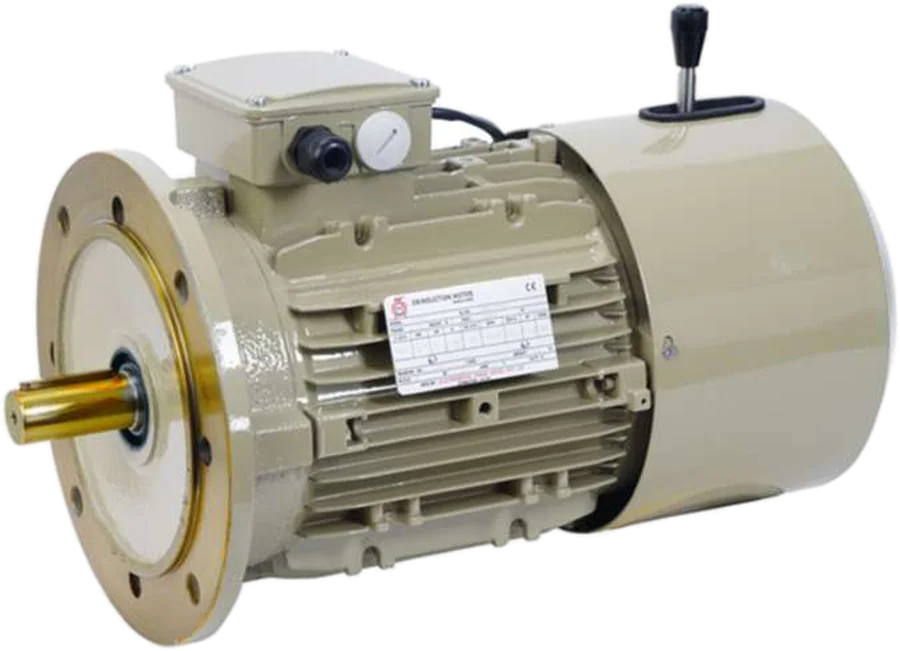
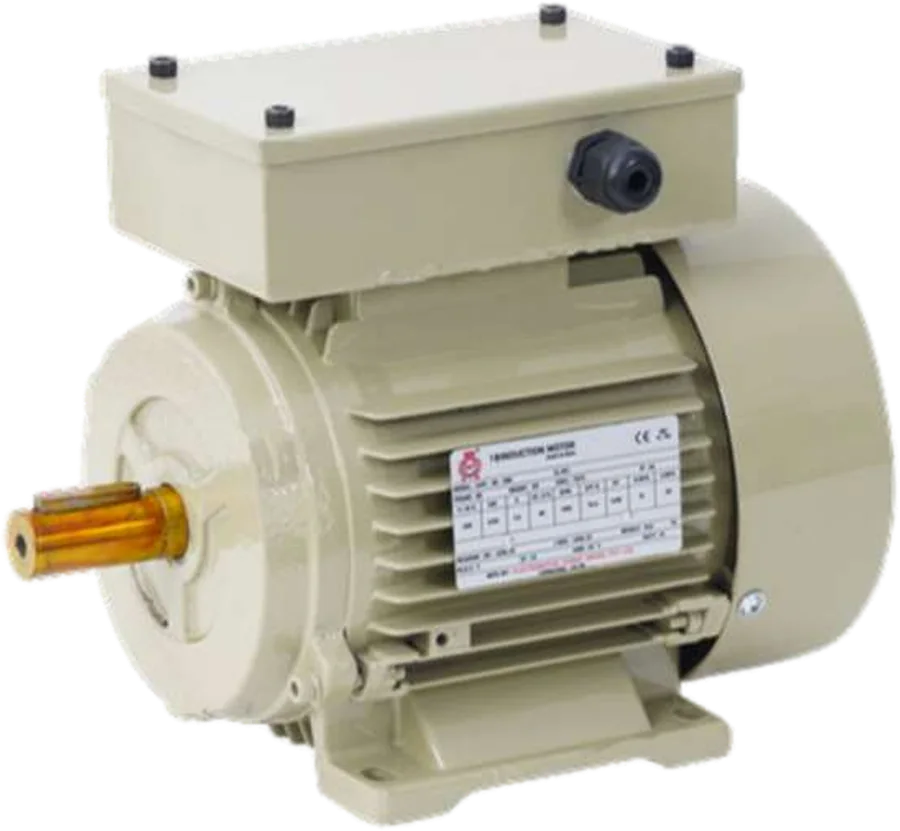
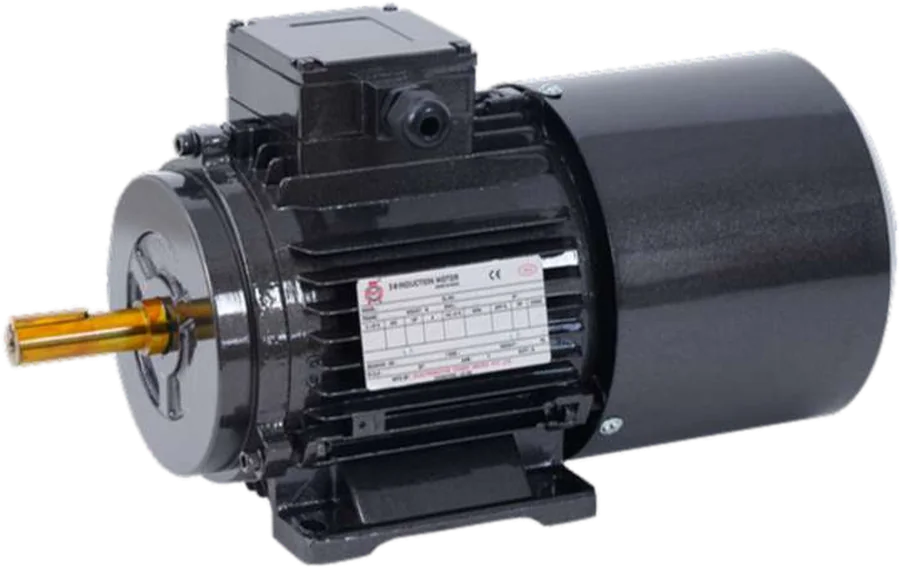
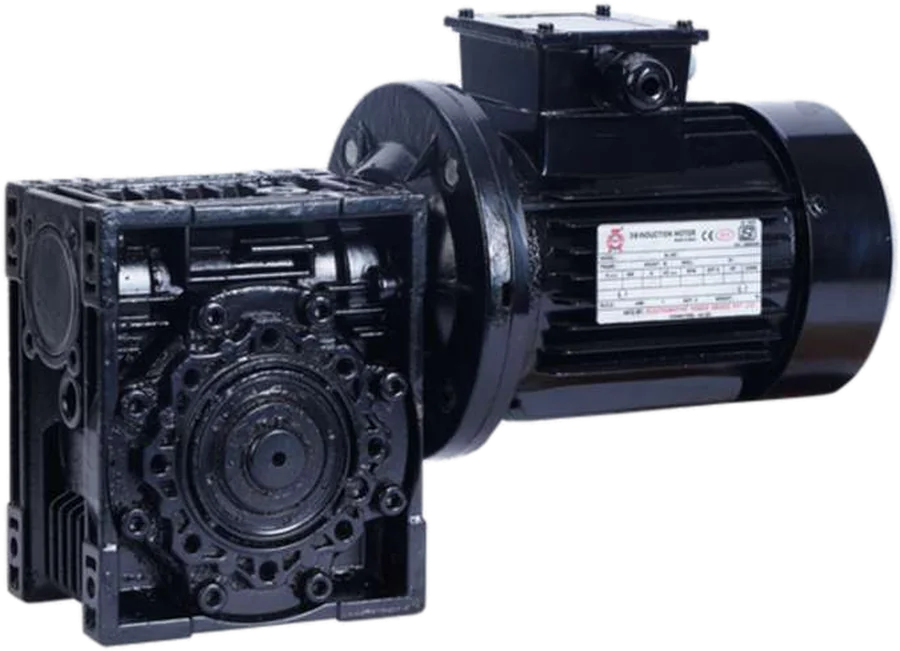
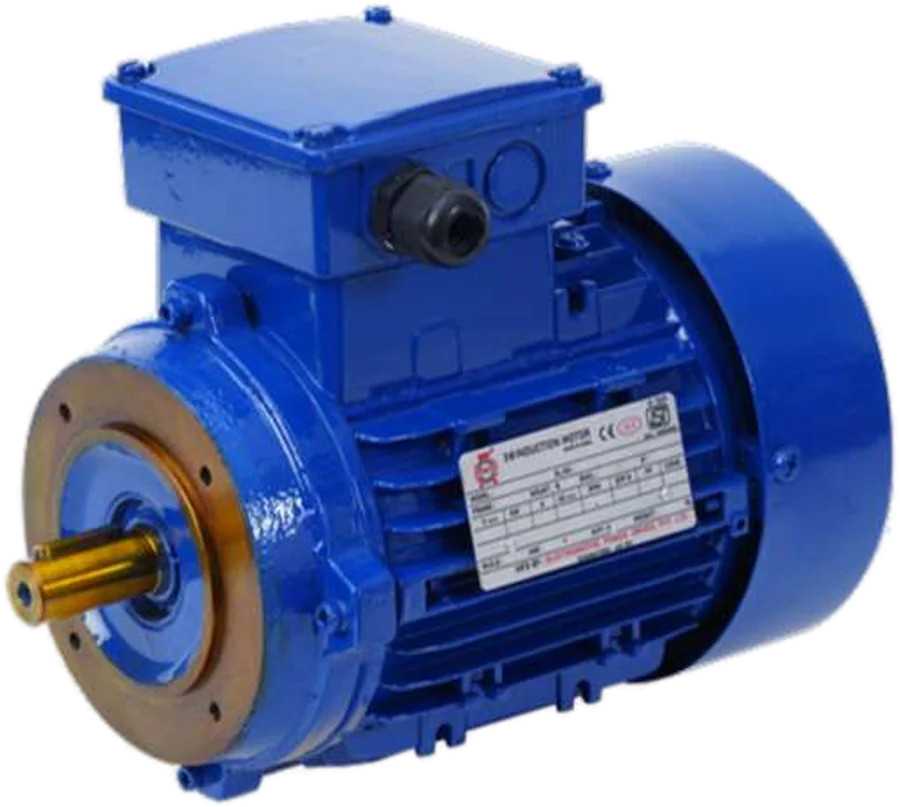
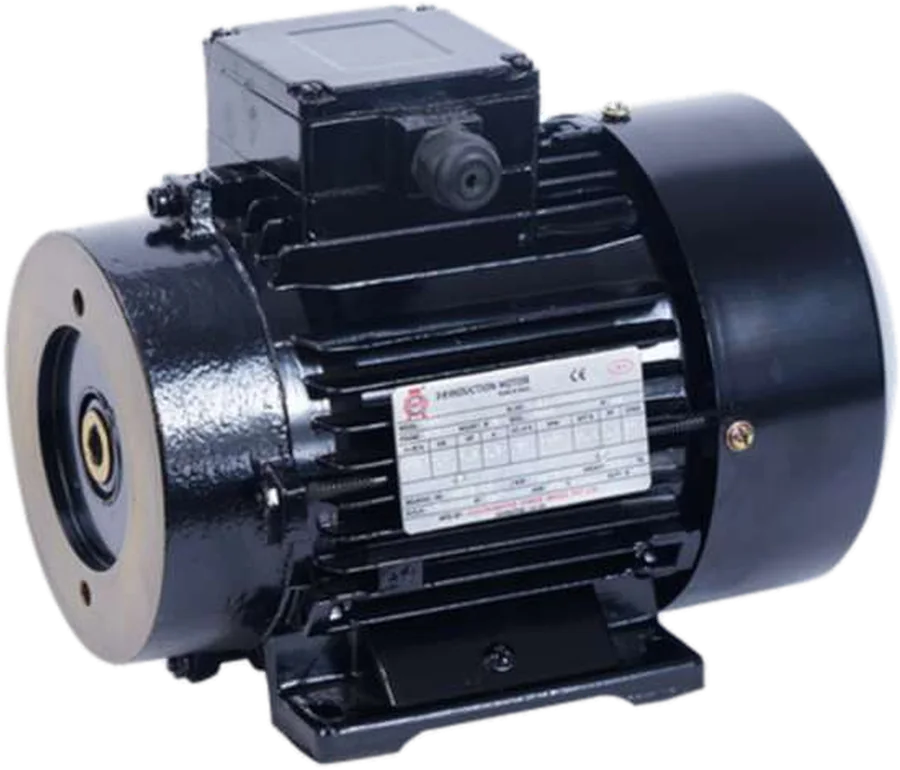
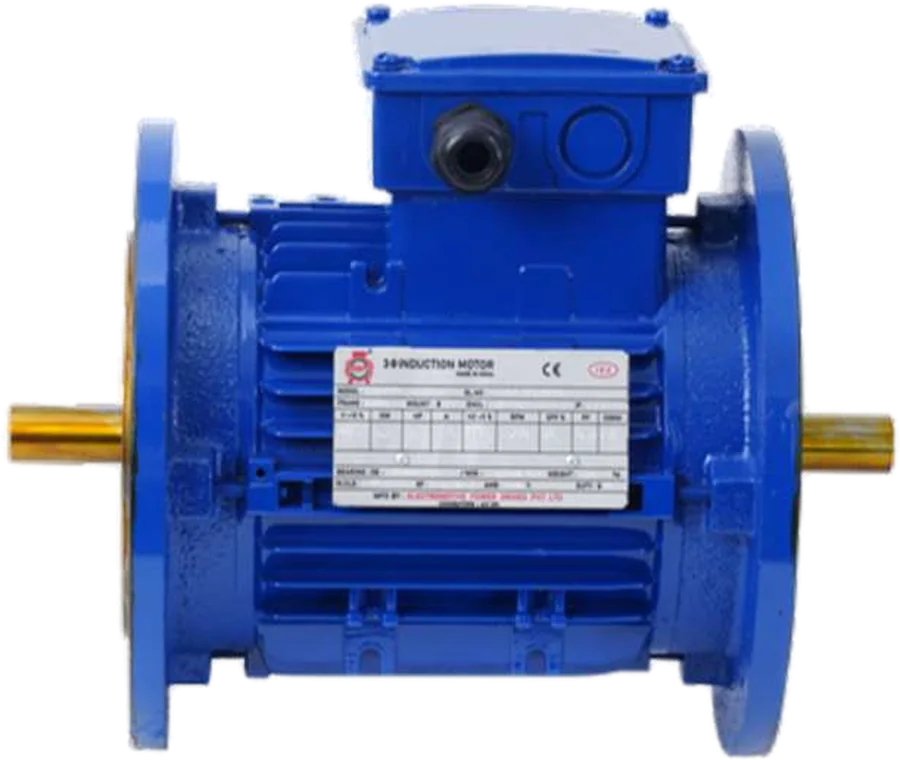
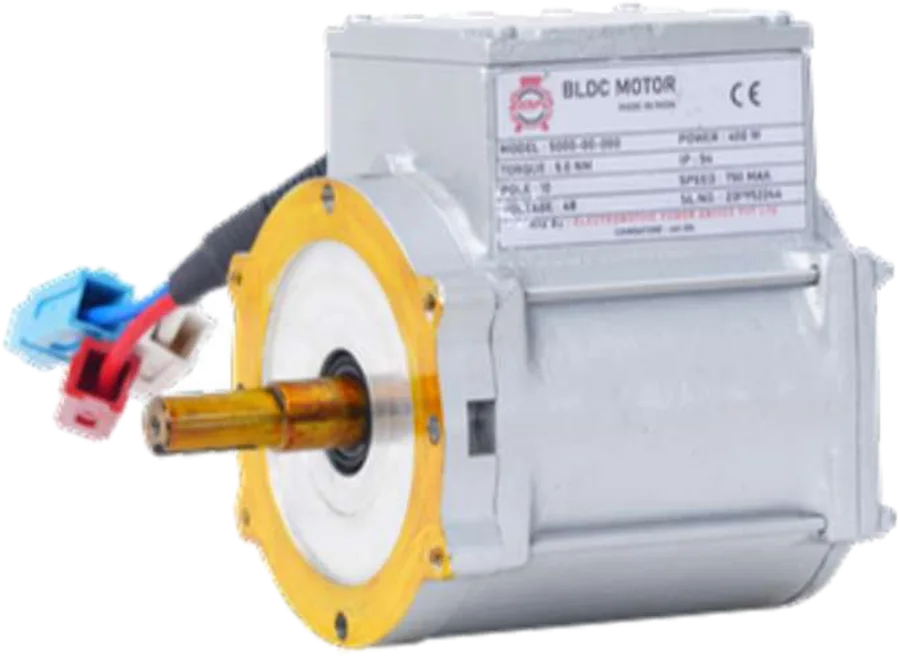
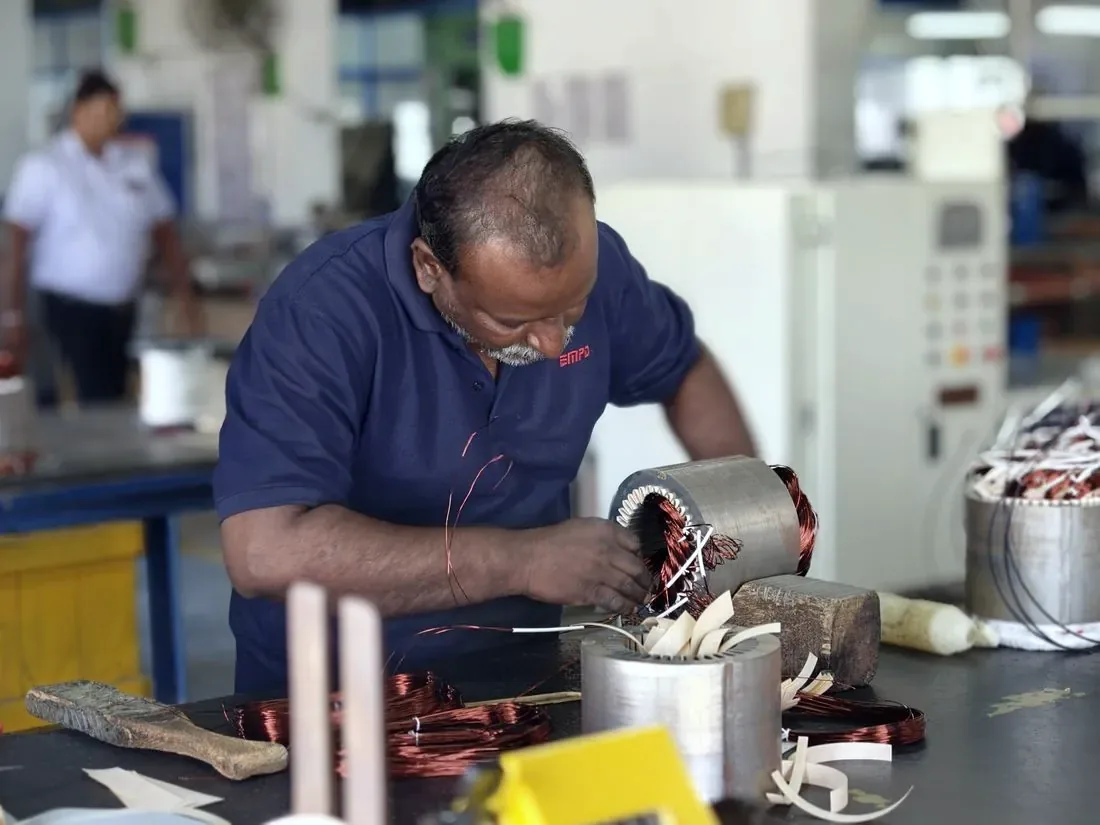
An induction motor's speed is set by its number of poles. A dual-speed motor gives two pole numbers, and so two speeds, from one frame. It is a simple, robust choice where a machine needs a fast and a slow speed but not continuous control.
Dahlander: one winding, 2 : 1
A Dahlander (consequent-pole) winding is reconnected to double its pole number, giving speeds in a 2 : 1 ratio such as 4 / 2 pole (1,500 / 3,000 rpm synchronous at 50 Hz) or 8 / 4 pole. One winding keeps the motor compact.
Two separate windings: any ratio
For other ratios, such as 6 / 4 or 8 / 6 pole, the stator carries two independent windings. Each is rated for its own speed, and only one runs at a time.
Match the load
Fans and pumps need much less power at low speed, so a variable-torque connection is used. Conveyors and hoists need the same torque at both speeds, so a constant-torque connection is used. Tell us the load and we choose the connection.
Where they fit
- Cooling-tower and ventilation fans: high speed in summer, low speed in winter
- Hoists and cranes: fast travel, slow positioning
- Machine tools and mixers: two process speeds
Where speed must vary continuously, an inverter-duty motor with a drive is the better choice. See dual-speed motors and inverter-duty motors.